

When it comes to outdoor insulation projects, selecting the appropriate materials is crucial for ensuring effectiveness, durability, and long - term performance. One question that frequently arises is whether outdoor cloth tape is suitable for attaching insulation outdoors. As a reputable supplier of Outdoor Cloth Tape, I am well - placed to delve into this topic and provide insightful answers.
Understanding the Nature of Outdoor Cloth Tape
Outdoor cloth tape is constructed using a fabric base, which gives it a unique combination of flexibility and strength. This fabric is typically coated with a strong adhesive, designed to withstand a variety of environmental conditions. As a supplier, we offer different types of outdoor cloth tapes catering to diverse needs. For instance, Fluorescent Cloth Tape is not only great for easy visibility but also exhibits robust adhesive and fabric properties suitable for outdoor insulation work.

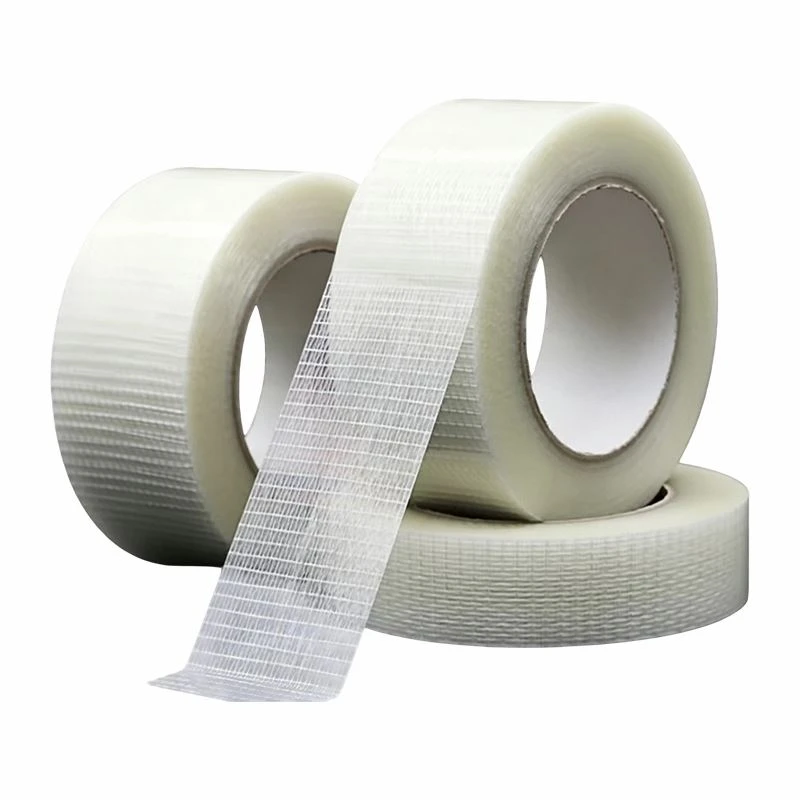
There is also Cloth Carpet Tape, which is known for its ability to hold firmly. While it's often used in carpet - related applications, its strong adhesive and durable fabric can be adapted for certain outdoor insulation attachment scenarios where a strong bond is required.
Suitability of Outdoor Cloth Tape for Outdoor Insulation
Advantages
- Flexibility: The fabric base of outdoor cloth tape allows it to conform to irregular shapes and surfaces. When attaching insulation materials outdoors, insulation often needs to be wrapped around pipes, ducts, or other oddly - shaped structures. The flexibility of the cloth tape ensures a snug fit, reducing the chances of air gaps that could compromise the effectiveness of the insulation.
- Strength: The fabric reinforcement provides the tape with good tensile strength. Outdoor environments can be harsh, with strong winds, temperature fluctuations, and physical impacts. The robust nature of outdoor cloth tape ensures that it can hold the insulation in place even under these challenging conditions. For example, in areas prone to high winds, the tape can prevent the insulation from being dislodged.
- Weather Resistance: High - quality outdoor cloth tapes are formulated to resist moisture, UV rays, and temperature extremes. Moisture can cause insulation to lose its effectiveness over time and can also lead to the growth of mold and mildew. UV rays can degrade many materials, but the weather - resistant properties of outdoor cloth tape protect it and the attached insulation from such damage. Temperature fluctuations can cause materials to expand and contract, and the tape's ability to withstand these changes without losing its adhesion is vital for long - term insulation performance.
- Adhesive Quality: The adhesives used in outdoor cloth tapes are engineered to provide a strong and long - lasting bond. This is essential for outdoor insulation, as the tape must adhere firmly to both the insulation material and the surface it is being attached to. Whether it's a rough exterior wall or a smooth metal pipe, these adhesives ensure that the insulation remains in place.
Limitations
- Surface Compatibility: While outdoor cloth tape has a strong adhesive, it may not adhere well to all surfaces. Some extremely smooth or oily surfaces may require pre - treatment to ensure proper adhesion. For example, if the surface of the object being insulated has been coated with a non - stick material, the tape may not bond effectively.
- Insulation Type Compatibility: Different insulation materials have different properties. Some very soft or powdery insulation materials may not work well with cloth tape. The tape's adhesive may embed into the insulation, diminishing its bond strength. In such cases, alternative methods of attachment may need to be considered.
Specific Applications of Outdoor Cloth Tape in Outdoor Insulation
- Pipe Insulation: In outdoor plumbing systems, pipes need to be insulated to prevent freezing in cold weather and to conserve energy. Outdoor cloth tape can be used to secure insulation around pipes of various sizes. Its flexibility allows it to wrap around the circular shape of the pipes, and its strength ensures that it stays in place over time, even when the pipes are subject to movement or vibration.
- Duct Insulation: Ducts for heating, ventilation, and air - conditioning (HVAC) systems that are located outdoors can benefit from insulation. Outdoor cloth tape can be used to attach insulation to the exterior of the ducts. This helps to maintain the temperature of the air flowing through the ducts and reduces energy loss.
- Building Envelope Insulation: When insulating the exterior walls, roofs, or foundations of a building, outdoor cloth tape can be used to seal the joints between insulation panels. This creates a more air - tight envelope, improving the overall energy efficiency of the building.
Comparing Outdoor Cloth Tape with Other Attachment Methods
- Mechanical Fasteners: Mechanical fasteners like nails or screws can also be used to attach insulation. However, they can puncture the insulation, creating potential air leakage points. Outdoor cloth tape, on the other hand, provides a continuous and air - tight seal without the need for puncturing the insulation material.
- Other Tape Types: There are other types of tapes available in the market for outdoor use, such as One Sided Fabric Tape, Scrim Cloth Tape, and Polyester Acrylic Tape. While each has its own set of features, outdoor cloth tape generally offers a better combination of flexibility, strength, and weather resistance for most outdoor insulation applications. One - sided fabric tape is more suitable for some single - sided attachment needs, but for comprehensive insulation wrapping and sealing, the double - sided nature of some outdoor cloth tapes is more advantageous.
Tips for Using Outdoor Cloth Tape for Outdoor Insulation
- Surface Preparation: Thoroughly clean the surface where the tape will be applied. Remove any dirt, dust, oil, or debris. If necessary, use a mild detergent and water, followed by a clean dry cloth.
- Proper Application: Ensure that the tape is applied evenly and under the right amount of tension. Over - stretching the tape can reduce its adhesive properties, while not having enough tension may result in a loose fit.
- Temperature Considerations: The best temperature for applying outdoor cloth tape is within a specific range. Extreme cold or hot temperatures can affect the tape's adhesion. It's advisable to check the manufacturer's guidelines for the optimal temperature range.
Contact for Procurement
If you're involved in outdoor insulation projects and are considering using outdoor cloth tape, I encourage you to reach out. As a leading supplier of high - quality Outdoor Cloth Tape, we can offer you a wide range of products tailored to your specific needs. Don't hesitate to contact us to discuss your requirements in detail and explore how our tapes can enhance the performance and longevity of your outdoor insulation.
References
- ASTM International. Standards related to adhesives and fabric tapes for outdoor applications.
- Insulation Manufacturers Association publications on insulation attachment methods.
- Industry reports on outdoor construction materials and their performance in different environmental conditions.