

Hey there! As a supplier of Heat Resistant Fiber Tape, I'm super stoked to share with you all how this amazing product works. Heat resistant fiber tape is a game - changer in many industries, and understanding its mechanism can help you make the most of it. So, let's dive right in!
What is Heat Resistant Fiber Tape?
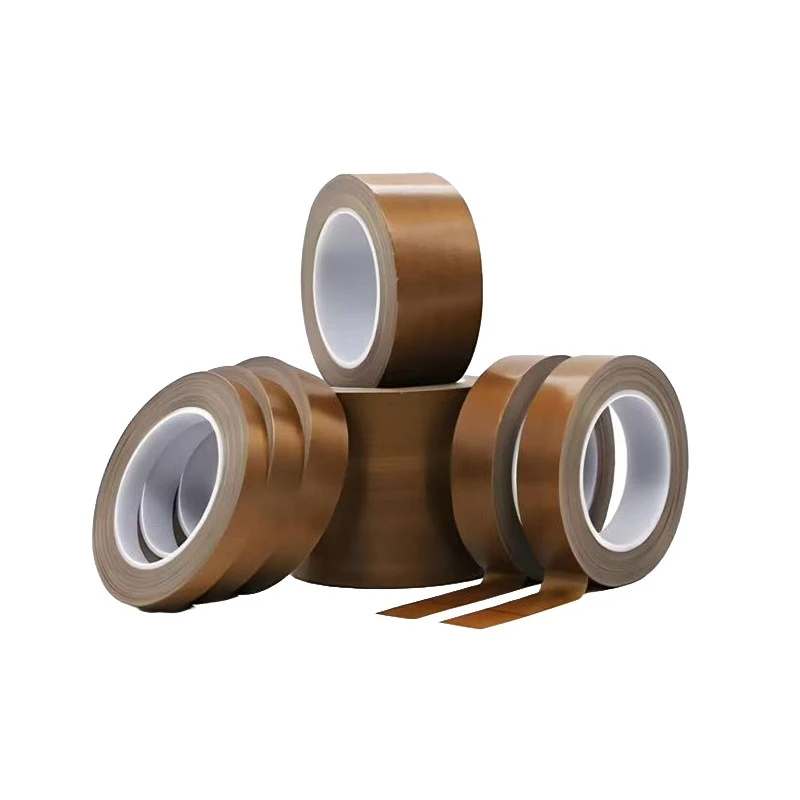
First off, what exactly are we talking about? Heat Resistant Fiber Tape is a specialized type of tape that can withstand high temperatures without losing its integrity. It's made up of fibers that are engineered to have excellent heat - resistant properties. You can check out our Heat Resistant Fiber Tape for more details on the various types we offer.
The Composition
The core of heat resistant fiber tape lies in its composition. The tape is typically made from advanced polymer fibers, ceramic fibers, or glass fibers. These fibers have unique molecular structures that allow them to remain stable under extreme heat.
For example, ceramic fibers are made from inorganic compounds. These compounds have strong chemical bonds that can resist the energetic vibrations caused by high - temperature environments. When the temperature rises, the ceramic fibers don't break down easily. They can maintain their shape and strength, which is crucial for the overall performance of the tape.
Glass fibers are another common material used. They are extremely durable and have a high melting point. The glass fibers are woven together to form a strong fabric base for the tape. The weave pattern is also important as it distributes the stress evenly across the tape, making it more resistant to ripping and tearing.
How it Resists Heat
- Thermal Insulation: One of the main ways heat resistant fiber tape works is through thermal insulation. The fibers in the tape act as a barrier between the heat source and the object it's protecting. The air pockets trapped within the fiber structure also play a significant role in this process. Air is a poor conductor of heat, so these pockets slow down the transfer of heat.
Let's say you're using the tape to protect a wire from a nearby heat source. The tape's insulation properties prevent the heat from reaching the wire, thus reducing the risk of damage to the wire's insulation and internal components.
- Chemical Stability: The chemical nature of the fibers in the tape is also key. High - temperature environments can cause chemical reactions that break down materials. However, the fibers in heat resistant tape are chemically stable. They don't react easily with oxygen, moisture, or other chemicals present in the environment.
For instance, in industrial applications where there are often corrosive gases, the tape's chemical stability ensures that it doesn't degrade over time. It continues to perform its protective function even in harsh conditions.
Adhesive Mechanism
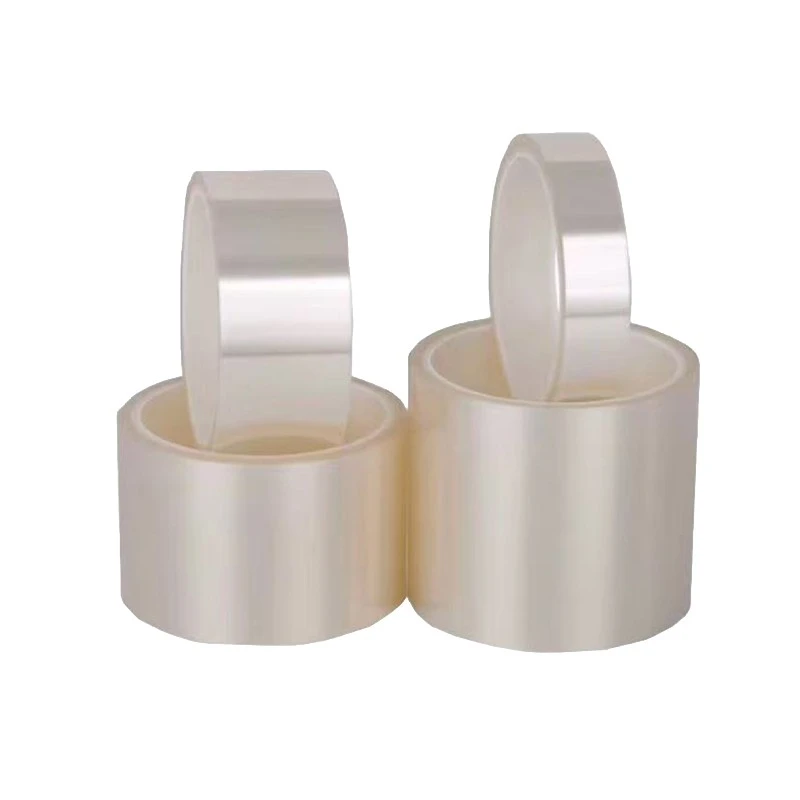
Most of our heat resistant fiber tapes come with a self - adhesive backing. The Self Adhesive Fibre Tape uses specialized adhesives that are also heat - resistant. These adhesives are designed to bond strongly to various surfaces, such as metal, plastic, and wood.
The adhesive works by creating intermolecular forces with the surface it's applied to. When you press the tape onto a surface, the adhesive molecules get close enough to the surface molecules to form weak chemical bonds. These bonds hold the tape in place.
In high - temperature situations, the adhesive's heat - resistant properties prevent it from melting or losing its stickiness. It continues to keep the tape firmly attached to the surface, ensuring long - term protection against heat.
Applications and How the Tape Works in Each
-
Automotive Industry: In cars, heat resistant fiber tape is used to protect wiring harnesses from the high - heat generated by the engine. The tape insulates the wires, preventing heat from causing short - circuits. The fibers in the tape also help in reducing noise and vibration, providing a more comfortable driving experience.
-
Electronics: For electronic devices, especially those that generate a lot of heat like laptops and servers, the tape can be used to insulate components. This helps in preventing overheating, which can lead to component failure. The tape's self - adhesive feature makes it easy to apply to different parts of the device.
-
Industrial Manufacturing: In manufacturing plants, there are many processes that involve high temperatures, such as welding and metal - working. Heat resistant fiber tape can be used to protect equipment and machinery from the intense heat. It acts as a shield, preventing damage to sensitive parts and extending the lifespan of the machinery.
Performance Under Different Conditions
The performance of heat resistant fiber tape can vary depending on the conditions. In dry, high - heat environments, it generally performs very well. The fibers and adhesives maintain their integrity, and the tape provides reliable insulation.
However, in humid conditions, there is a slight risk of moisture affecting the adhesive. To combat this, we've developed some tapes with moisture - resistant adhesives. These tapes can still adhere firmly to surfaces even in damp environments.
Why Choose Our Heat Resistant Fiber Tape?
We've spent a lot of time and effort in researching and developing our heat resistant fiber tapes. Our products are tested rigorously to ensure they meet the highest standards of quality and performance.
Whether you need tape for a small DIY project or a large - scale industrial application, we've got you covered. Our tapes come in different sizes and thicknesses to suit your specific needs. And our customer service team is always ready to help you choose the right product.
If you're interested in purchasing our Heat Resistant Fiber Tape, I encourage you to reach out to us. We'd love to have a chat about your requirements and see how we can assist you in finding the perfect tape solution. Whether it's for a new project or to replace an existing heat protection method, we're here to help.
References
- Textbooks on material science and engineering
- Research papers on heat - resistant materials
- Industry reports on the use of heat - resistant tapes