

In the dynamic world of industrial and household applications, the demand for high - performing tapes is ever - growing. As a reputable supplier of Scrim Cloth Tape, I often encounter inquiries about its ability to withstand high pressure. This blog aims to delve into the science behind Scrim Cloth Tape, its pressure - resistance capabilities, and how it stacks up against other fabric - backed tapes in the market.
Understanding Scrim Cloth Tape
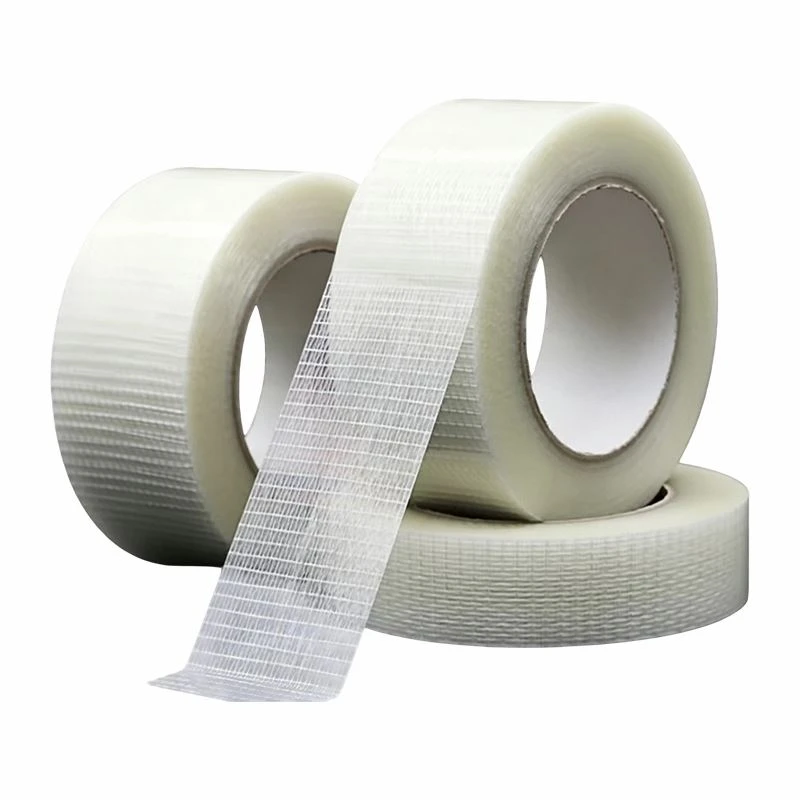
Scrim Cloth Tape is a remarkable product that combines the strength of a woven scrim cloth with a high - quality adhesive. The scrim cloth, usually made from materials like polyester or fiberglass, provides a robust and stable base. This base structure gives the tape its characteristic durability and tear - resistance. The adhesive layer, which can vary depending on the application, ensures a strong bond to various surfaces. You can find more detailed information about our Scrim Cloth Tape on our website Scrim Cloth Tape.
Factors Influencing Pressure Resistance
Several factors contribute to the ability of Scrim Cloth Tape to withstand high pressure. Firstly, the material of the scrim cloth plays a crucial role. Polyester scrim cloth is known for its excellent tensile strength, which means it can resist forces that attempt to pull it apart. When pressure is applied, the strong polyester fibers distribute the force evenly across the tape, preventing local failure points.
Secondly, the type of adhesive used is of utmost importance. High - performance adhesives, such as silicone or acrylic adhesives, are formulated to maintain their bonding properties under pressure. Silicone adhesives are particularly well - suited for high - pressure applications because they have a high degree of flexibility and can conform to irregular surfaces. They also exhibit excellent temperature resistance, which is often a consideration in high - pressure environments where friction can generate heat. Discover our Polyester Silicone Adhesive Tape featuring this superior adhesive.
The thickness of the tape also impacts its pressure resistance. A thicker tape generally has more material to distribute the stress, making it more capable of withstanding high pressures. However, it's important to strike a balance, as overly thick tapes may not be as flexible and could be difficult to apply in some situations.
Testing Pressure Resistance
To ensure the quality and performance of our Scrim Cloth Tape, we conduct rigorous testing. One common test is the compression test, where a sample of the tape is placed between two flat surfaces, and increasing pressure is applied until a certain degree of deformation or failure occurs. We measure the maximum pressure the tape can withstand before it loses its integrity, such as the adhesive failing or the scrim cloth tearing.
Another test is the shear test, which assesses the tape's ability to resist forces that act parallel to its surface. In a high - pressure environment, shear forces can be significant, especially when the tape is used to bond two surfaces that may shift relative to each other. By subjecting the tape to controlled shear forces, we can evaluate its performance under real - world conditions.
Comparing with Other Fabric - Backed Tapes
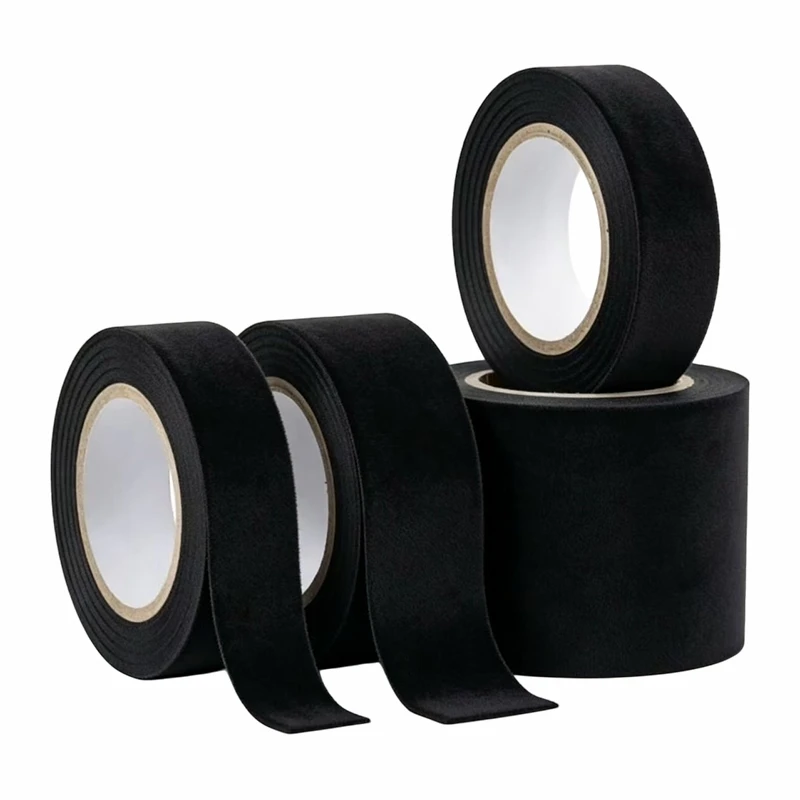
Let's compare Scrim Cloth Tape with other fabric - backed tapes in terms of pressure resistance. Polyester Fleece Tape has a soft and fuzzy texture. While it offers good adhesion and is suitable for some light - to - medium - pressure applications, it may not be as effective as Scrim Cloth Tape in high - pressure scenarios. The fleece material is less structured than the scrim cloth, and it may not be able to distribute pressure as evenly.
Polyester Acrylic Tape also has its own advantages. The acrylic adhesive provides a strong and permanent bond. However, in terms of pure pressure resistance, the scrim cloth in Scrim Cloth Tape gives it an edge. The woven structure of the scrim can better handle large - scale forces compared to the relatively more uniform surface of the polyester acrylic tape.
Cloth Carpet Tape is mainly designed for carpet installation. It is engineered to hold carpets in place and may not be optimized for high - pressure industrial applications. Its adhesion is more focused on preventing the carpet from shifting rather than withstanding extreme pressures.
Applications Where Pressure Resistance is Key
Scrim Cloth Tape's ability to withstand high pressure makes it suitable for a wide range of applications. In the automotive industry, it can be used for bonding components that are subject to high - pressure vibrations, such as engine parts or interior panels. The tape's pressure resistance ensures that the bond remains intact even under the harsh conditions of a running engine.
In the construction industry, Scrim Cloth Tape can be used for sealing joints and seams in high - rise buildings. The tape needs to withstand wind pressure, as well as the structural stresses caused by the building's movement. Its high - pressure resistance makes it a reliable choice for these critical applications.
In the aerospace industry, where every component must meet strict safety and performance standards, Scrim Cloth Tape can be used for bonding lightweight but strong materials. The tape's ability to withstand high pressure during flight, as well as temperature variations, is essential for ensuring the integrity of the aircraft's structure.
Conclusion
In conclusion, Scrim Cloth Tape is indeed capable of withstanding high pressure, thanks to its strong scrim cloth base and high - performance adhesives. Through rigorous testing and quality control, we ensure that our Scrim Cloth Tape meets the highest standards of pressure resistance. Whether you are in the automotive, construction, or aerospace industry, our Scrim Cloth Tape can provide a reliable solution for your high - pressure bonding needs.
If you are interested in learning more about our Scrim Cloth Tape or other fabric - backed tapes, feel free to visit our website. We are always ready to assist you in choosing the right tape for your specific application. Contact us to start a procurement discussion and find the best tape solution for your business.
References
- "Handbook of Adhesive Technology", edited by Satas D., Van Nostrand Reinhold, 1989.
- "Engineering Properties of Polymers and Composites", by Pipes R. B., Haritos V., ASM International, 2000.
- Industry standards and testing protocols for fabric - backed tapes.