

Peel force, a critical parameter in the realm of adhesive tapes, plays a pivotal role in determining the performance and suitability of masking tapes for various applications. As a leading supplier of Sandblasting Masking Tape, I am often asked about the significance of peel force and how it relates to our products. In this blog post, I will delve into the concept of peel force, its importance in sandblasting masking tapes, and how we ensure our tapes meet the highest standards.
Understanding Peel Force
Peel force, also known as peel strength, refers to the force required to remove an adhesive tape from a surface at a specific angle and speed. It is typically measured in units of force per unit width, such as Newtons per millimeter (N/mm) or pounds per inch (lb/in). The peel force of a tape is influenced by several factors, including the type of adhesive, the surface energy of the substrate, the contact time between the tape and the surface, and the removal angle and speed.
In the context of sandblasting masking tapes, peel force is a critical parameter because it determines how well the tape adheres to the surface during the sandblasting process and how easily it can be removed afterward without leaving any residue. A tape with too low a peel force may lift or peel off during sandblasting, allowing abrasive particles to reach the protected area and cause damage. On the other hand, a tape with too high a peel force may be difficult to remove and may leave behind adhesive residue, which can be time-consuming and costly to clean up.
Importance of Peel Force in Sandblasting Masking Tapes
Sandblasting is a widely used surface treatment process that involves propelling abrasive particles at high speed onto a surface to clean, etch, or prepare it for further processing. During sandblasting, the masking tape is used to protect specific areas of the surface from the abrasive particles. The peel force of the masking tape is crucial for ensuring that it remains firmly in place during the sandblasting process and can be easily removed afterward without damaging the surface or leaving any residue.
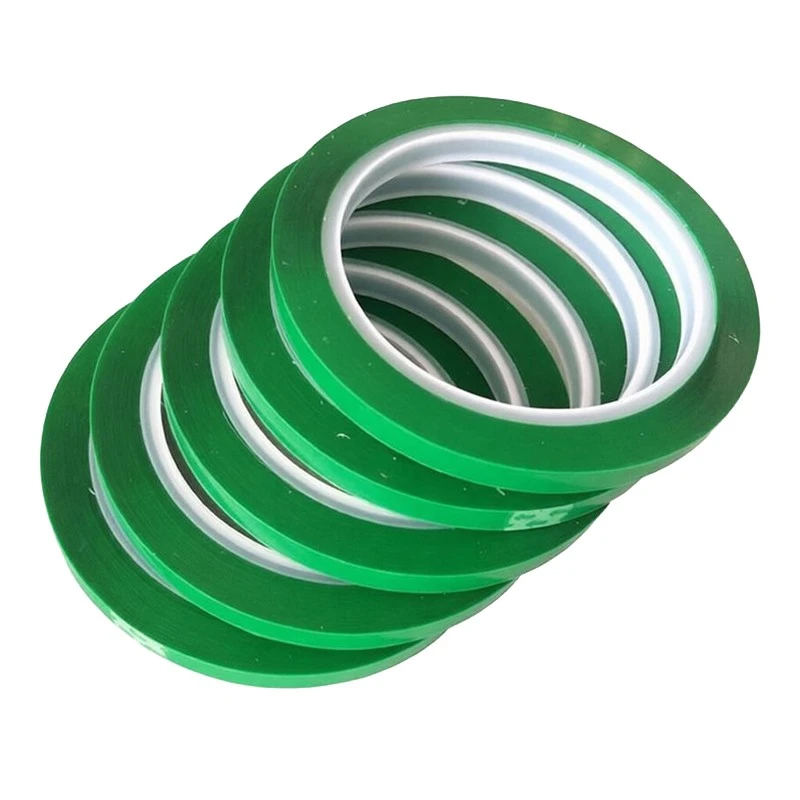
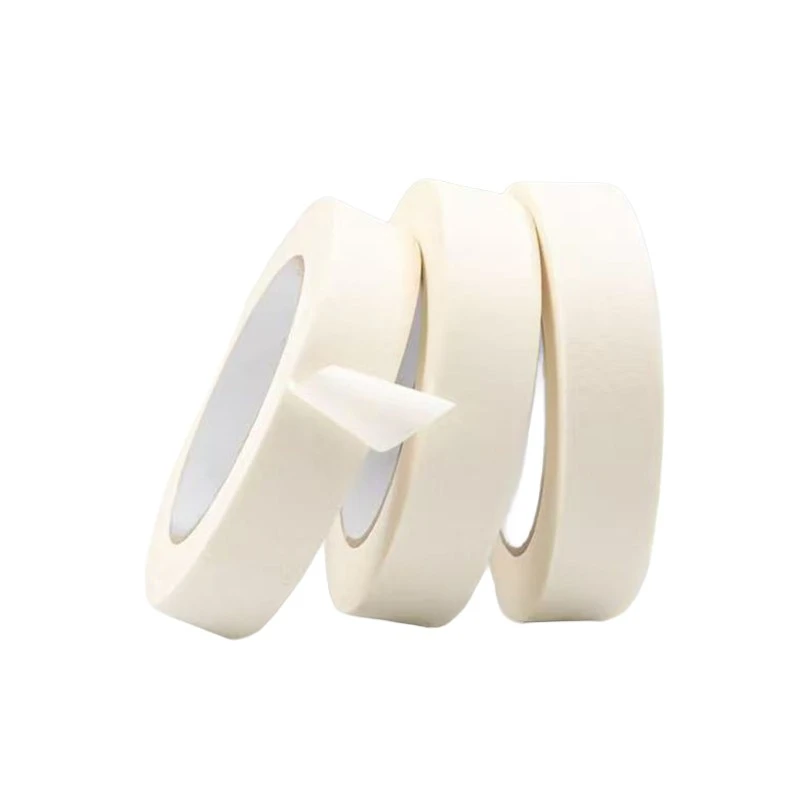
- Adhesion during Sandblasting: A sandblasting masking tape with an appropriate peel force will adhere securely to the surface, preventing abrasive particles from getting underneath the tape and causing damage to the protected area. This is especially important when sandblasting complex or irregularly shaped surfaces, where the tape may need to conform to the contours of the surface to provide effective protection.
- Easy Removal after Sandblasting: Once the sandblasting process is complete, the masking tape needs to be removed easily and cleanly without leaving any adhesive residue on the surface. A tape with a peel force that is too high may be difficult to remove and may require excessive force, which can damage the surface or leave behind unwanted marks. On the other hand, a tape with a peel force that is too low may not adhere well enough during sandblasting and may lift or peel off, making it difficult to remove in one piece.
- Residue-Free Removal: In addition to easy removal, it is also important for the masking tape to leave no adhesive residue on the surface after removal. This is particularly important in applications where the surface needs to be painted, coated, or otherwise finished after sandblasting. Adhesive residue can interfere with the adhesion of the paint or coating, resulting in poor quality finishes and potential rework.
Factors Affecting the Peel Force of Sandblasting Masking Tapes
The peel force of a sandblasting masking tape is influenced by several factors, including the type of adhesive, the surface energy of the substrate, the contact time between the tape and the surface, and the removal angle and speed. Understanding these factors can help you choose the right masking tape for your specific application and ensure optimal performance.
- Type of Adhesive: The type of adhesive used in the masking tape is one of the most important factors affecting its peel force. Different types of adhesives have different properties, such as tack, adhesion, and cohesion, which can affect the tape's ability to adhere to the surface and be removed cleanly. For sandblasting masking tapes, acrylic adhesives are commonly used because they offer a good balance of adhesion and easy removal, as well as resistance to high temperatures and chemicals.
- Surface Energy of the Substrate: The surface energy of the substrate, or the material to which the tape is applied, also affects the peel force of the masking tape. Surfaces with high surface energy, such as metal and glass, tend to have better adhesion than surfaces with low surface energy, such as plastic and rubber. Before applying the masking tape, it is important to clean and prepare the surface to remove any dirt, oil, or other contaminants that may reduce the tape's adhesion.
- Contact Time between the Tape and the Surface: The contact time between the masking tape and the surface also affects its peel force. Generally, the longer the tape is in contact with the surface, the higher the peel force will be. This is because the adhesive has more time to flow and wet the surface, creating a stronger bond. However, excessive contact time can also cause the adhesive to penetrate deeper into the surface, making it more difficult to remove the tape cleanly.
- Removal Angle and Speed: The angle and speed at which the masking tape is removed from the surface also affect its peel force. A higher removal angle and a faster removal speed can increase the peel force, while a lower removal angle and a slower removal speed can reduce it. When removing the masking tape, it is important to use a consistent angle and speed to ensure that the tape is removed cleanly and without leaving any residue.
Our Commitment to Quality and Performance
As a leading supplier of Sandblasting Masking Tape, we understand the importance of peel force and its role in ensuring the performance and reliability of our products. That's why we are committed to using only the highest quality materials and manufacturing processes to produce masking tapes that meet the most demanding requirements.
- Advanced Adhesive Technology: We use advanced adhesive technology to develop masking tapes with optimal peel force and adhesion properties. Our acrylic adhesives are formulated to provide a strong bond to a wide range of surfaces, including metal, glass, plastic, and rubber, while still allowing for easy and residue-free removal.
- Rigorous Testing and Quality Control: We subject our masking tapes to rigorous testing and quality control procedures to ensure that they meet the highest standards of performance and reliability. Our testing facilities are equipped with state-of-the-art equipment to measure peel force, adhesion, and other important properties, and we regularly monitor and adjust our manufacturing processes to ensure consistent quality.
- Custom Solutions: We understand that every customer's needs are unique, and we are committed to providing customized solutions to meet those needs. Whether you need a masking tape with a specific peel force, adhesion, or other property, our team of experts can work with you to develop a solution that meets your exact requirements.
Other Types of Masking Tapes
In addition to Sandblasting Masking Tape, we also offer a wide range of other masking tapes to meet the needs of various industries and applications. Here are some of our most popular products:
- Pinstripe Painters Tape: Designed for use in automotive painting and other precision painting applications, our Pinstripe Painters Tape offers a narrow width and a high level of precision for creating sharp, clean lines.
- Easy Release Painters Tape: Ideal for use in painting and decorating projects, our Easy Release Painters Tape is designed to provide a strong bond during painting and easy removal afterward without leaving any residue.
- Industrial Masking Tape: Used in a wide range of industrial applications, such as surface protection, insulation, and bundling, our Industrial Masking Tape offers a high level of durability and adhesion.
- General Masking Tape: A versatile masking tape that can be used in a variety of applications, our General Masking Tape offers a good balance of adhesion and easy removal.
Contact Us for Your Masking Tape Needs
If you are looking for high-quality masking tapes with optimal peel force and performance, look no further. As a leading supplier of masking tapes, we are committed to providing our customers with the best products and services. Whether you need Sandblasting Masking Tape, Pinstripe Painters Tape, or any other type of masking tape, we have the solution for you.
Contact us today to discuss your masking tape needs and learn more about our products and services. Our team of experts is ready to help you find the right solution for your application and ensure your complete satisfaction.
References
- ASTM D3330/D3330M - Standard Test Method for Peel Adhesion of Pressure - Sensitive Tape
- Dow Corning Corporation. "Surface Energy and Contact Angles."