

Hey there! As a supplier of Sandblasting Masking Tape, I know how crucial it is to ensure the tape has good adhesion. After all, sandblasting is a tough job, and the tape needs to hold up under pressure. In this blog, I'll share some practical ways to test the adhesion of sandblasting masking tape.
Why Adhesion Testing Matters
Before we dive into the testing methods, let's talk about why adhesion testing is so important. When you're using sandblasting masking tape, you need it to stick firmly to the surface you're working on. If the tape doesn't adhere well, it can lift up during the sandblasting process, allowing the abrasive material to get under the tape and damage the areas you're trying to protect. This can result in a sloppy job and wasted time and materials. So, ensuring proper adhesion is key to getting a professional and clean finish.
Preparing for the Adhesion Test
First things first, you need to make sure you have the right setup for the test. You'll need a clean, flat surface that's similar to the one you'll be using the tape on during actual sandblasting. This could be a piece of metal, plastic, or whatever material you typically work with. Clean the surface thoroughly to remove any dirt, oil, or debris that could affect the tape's adhesion.
Once you have the surface ready, cut a few strips of the sandblasting masking tape from different rolls. This helps ensure you're getting a representative sample of the tape's quality. Make sure the strips are long enough to conduct a proper test, usually around 3 - 6 inches.
Simple Finger Rub Test
One of the easiest ways to quickly test the adhesion of the tape is the finger rub test. Take one of the tape strips and press it firmly onto the prepared surface. Use your finger to rub the tape down, applying even pressure along the entire length. After that, try to lift one end of the tape slowly.
If the tape comes off easily without leaving any residue on the surface, it might not have good adhesion. On the other hand, if it takes some effort to lift the tape and it leaves a bit of a sticky residue, that's a good sign that it has decent adhesion. However, this test is just a quick and rough assessment, and it doesn't fully simulate the conditions of sandblasting.
Pull - Off Test
A more accurate way to test the adhesion is the pull - off test. You'll need a device called a pull - off tester for this, but if you don't have one, you can also do a simple DIY version.
For the DIY pull - off test, attach one end of the tape strip firmly to the test surface. Then, use a piece of string or a thin wire to create a loop at the other end of the tape. Hang a small weight from the loop. Start with a light weight, like a few ounces, and gradually increase it.
As you add more weight, watch to see if the tape starts to peel off. The weight at which the tape detaches from the surface gives you an idea of its adhesion strength. Keep in mind that the actual sandblasting process involves a lot of force from the abrasive particles, so you'll want the tape to withstand a relatively high amount of pull - off force.
Sandblasting Simulation Test
To truly mimic the conditions of sandblasting, you can conduct a sandblasting simulation test. This is a bit more involved, but it gives you the most accurate results.
First, apply the tape to the test surface in the same way you would during a real sandblasting job. Make sure it's smooth and free of any air bubbles. Then, use a small sandblaster or an airbrush with an abrasive material to direct a stream of particles at the tape.
Start with a low pressure and a short duration. After that, check the tape to see if it has lifted or if any abrasive has gotten under it. If the tape holds up well, gradually increase the pressure and the duration of the sandblasting until you reach the typical conditions you use for your actual projects.
If the tape remains firmly attached to the surface throughout the test, it has good adhesion. If it starts to peel or fails to protect the underlying area, it might not be suitable for your sandblasting needs.
Comparing Different Types of Masking Tapes
It's also important to note that there are different types of masking tapes available, and each has its own adhesion properties. For example, Easy Release Painters Tape is designed to be easily removable without leaving residue, but it might not have the same level of adhesion as Sandblasting Masking Tape during sandblasting.
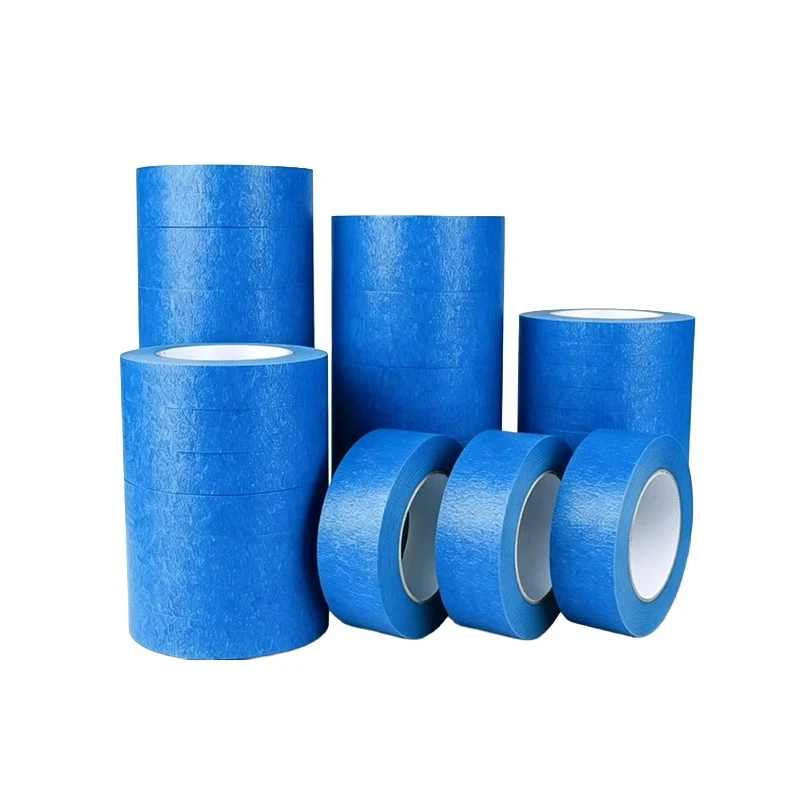
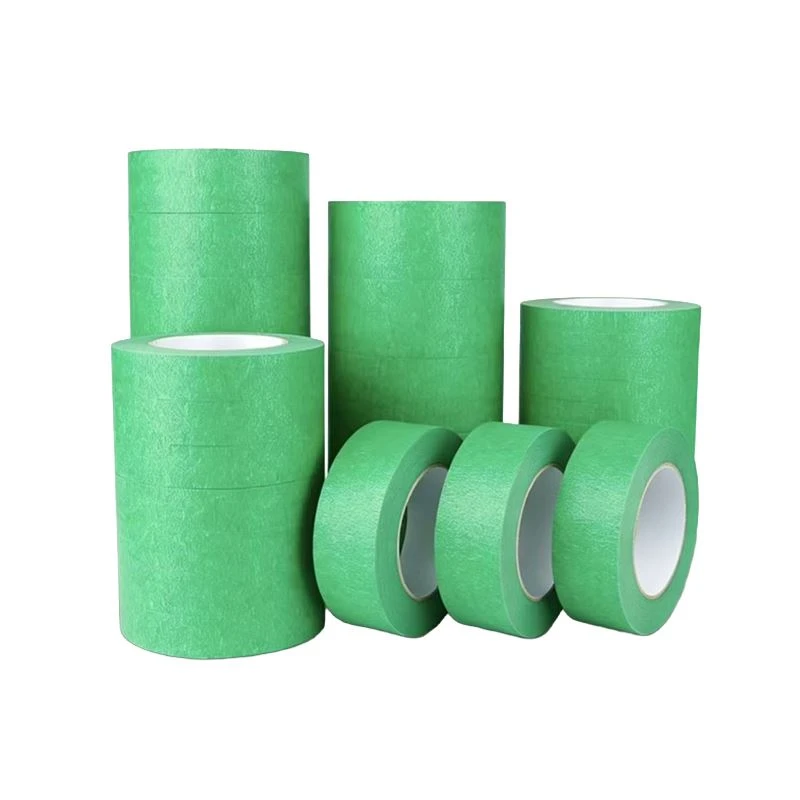
General Masking Tape is a versatile option, but it may not withstand the high - pressure and abrasive nature of sandblasting. Pinstripe Painters Tape is often used for fine - line work and has different adhesion characteristics compared to sandblasting tape. And Industrial Masking Tape is more heavy - duty, but it still needs to be tested specifically for sandblasting applications.
Factors Affecting Adhesion
There are several factors that can affect the adhesion of sandblasting masking tape. The surface material is a big one. Some materials, like smooth metals, may require a stronger adhesive than rough or porous surfaces. The temperature also plays a role. Tape adhesion can be weaker in cold temperatures and stronger in warmer conditions.
The cleanliness of the surface is crucial, as mentioned earlier. Any contaminants can prevent the tape from sticking properly. And the duration of the sandblasting process matters too. Longer sandblasting sessions put more stress on the tape's adhesion, so it's important to test for extended periods if that's what you usually do.
Conclusion and Call to Action
Testing the adhesion of sandblasting masking tape is essential to ensure the success of your sandblasting projects. By using the methods I've shared here, you can confidently select the right tape for your needs.
If you're in the market for high - quality sandblasting masking tape, feel free to reach out to discuss your requirements. Our team is always here to help you find the best solution for your specific sandblasting applications. Whether you need a small quantity for a DIY project or a large supply for an industrial operation, we've got you covered.
References
- ASTM International standards for adhesive tape testing
- Industry - specific research on sandblasting and masking tape performance