

When it comes to packaging and securing items, PVC packing tape is a staple in many industries. As a PVC packing tape supplier, I've received numerous inquiries about how our products perform in cold weather. In this blog, I'll delve into the characteristics of PVC packing tape and its behavior under cold - climate conditions.
Understanding PVC Packing Tape
PVC, or polyvinyl chloride, is a widely used plastic material in the manufacturing of packing tape. It offers several advantages such as high tensile strength, good adhesion, and resistance to moisture and chemicals. Our PVC Packing Tape is designed to provide reliable sealing for various packages, from small parcels to large cartons.
The tape consists of a PVC film backing and an adhesive layer. The backing provides the tape with its physical strength and flexibility, while the adhesive ensures that the tape sticks firmly to the surface it is applied to. Different types of adhesives can be used, including rubber - based and acrylic - based adhesives, each with its own set of properties.
The Impact of Cold Weather on PVC Packing Tape
Cold weather can have several significant effects on the performance of PVC packing tape, mainly influencing both the backing and the adhesive.
Effects on the PVC Backing
The PVC backing of the tape becomes stiffer in cold temperatures. PVC is a thermoplastic polymer, which means its physical properties change with temperature. As the temperature drops, the molecular motion within the PVC material slows down. This decrease in molecular mobility causes the PVC to lose some of its flexibility and become more rigid.
For instance, at extremely cold temperatures, say below - 10°C, the PVC backing may crack or break when bent sharply. This is a concern, especially when using the tape for irregular - shaped packages that require the tape to conform to curves and corners. However, our high - quality PVC packing tape is formulated to maintain a certain level of flexibility even in relatively cold conditions, reducing the risk of cracking.
Effects on the Adhesive
The adhesive on PVC packing tape is also sensitive to cold weather. Most adhesives function by forming a chemical or physical bond with the surface they are applied to. In cold temperatures, the adhesive's viscosity increases. This means that the adhesive becomes thicker and less fluid.
As a result, the adhesive may not spread evenly across the surface, leading to reduced contact area and weaker adhesion. For example, if you try to apply our PVC packing tape to a cold surface, the adhesive may not fully adhere, leaving gaps or allowing the tape to peel off easily. Some adhesives may also become brittle in the cold, which can cause them to lose their ability to stretch and conform to the surface, further compromising the tape's performance.

Our Solutions for Cold - Weather Performance
At our company, we understand the challenges posed by cold weather, and we've developed several strategies to ensure that our PVC Packing Tape performs well in low - temperature environments.
Specialized Adhesive Formulations
We use specialized adhesive formulations that are designed to remain flexible and sticky in cold weather. These adhesives are engineered to have a lower glass - transition temperature, which is the temperature at which the adhesive changes from a rubbery state to a glassy state. By lowering the glass - transition temperature, the adhesive can maintain its flexibility and adhesion even in cold conditions.
Temperature - Resistant PVC Backing
Our PVC backing is also treated to enhance its temperature resistance. We use additives and modifiers during the manufacturing process to improve the cold - weather performance of the PVC. These additives help to reduce the stiffness of the PVC at low temperatures, allowing the tape to bend and conform to different surfaces without cracking.
Real - World Applications in Cold Weather
Our PVC packing tape has been used in various real - world applications in cold - weather conditions. For example, in the logistics and shipping industry, packages are often transported in unheated trucks or stored in cold warehouses. Our tape ensures that the packages remain sealed during transit, even in freezing temperatures.
In the construction industry, our PVC Builders Tape is used to seal joints and protect surfaces. In cold climates, the tape can withstand the harsh conditions and maintain its adhesion, providing a reliable solution for construction projects.
Comparing Different Types of PVC Tapes in Cold Weather
We offer a range of PVC tapes, each with different characteristics and performance in cold weather.
Barriere Tape
Our Barriere Tape is designed to provide a barrier against moisture, dust, and other contaminants. In cold weather, its specialized adhesive and thick PVC backing ensure that it maintains its sealing properties. The backing is less likely to crack, and the adhesive remains effective in preventing the ingress of unwanted substances.
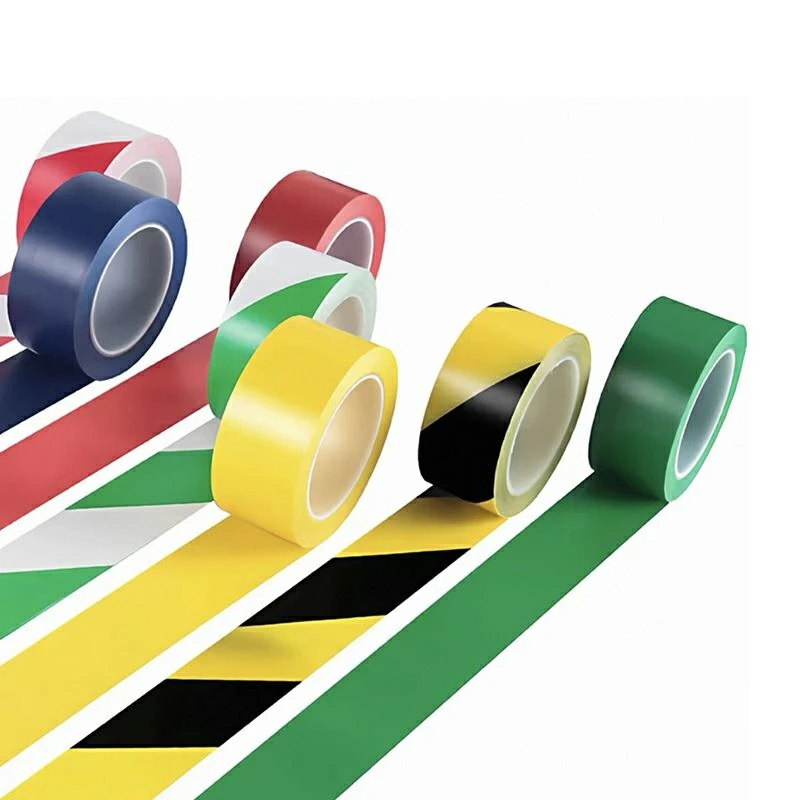
Coloured PVC Tape
The Coloured PVC Tape is not only used for its aesthetic appeal but also for its functional properties. In cold conditions, the colour pigments do not affect the tape's performance significantly. The adhesive and backing are engineered to perform well in low temperatures, making it suitable for both indoor and outdoor applications in cold climates.
PVC Lane Marking Tape
PVC Lane Marking Tape is often used in outdoor environments where it is exposed to various weather conditions, including cold weather. Our lane - marking tape is designed to resist cracking and peeling in cold temperatures, ensuring that the lane markings remain visible and intact.
Tips for Using PVC Packing Tape in Cold Weather
To get the best performance from our PVC packing tape in cold weather, here are some useful tips:
- Pre - warm the surface: If possible, warm the surface where the tape will be applied. This can be done using a heat gun or by moving the item to a warmer area for a short period. A warmer surface will help the adhesive to bond more effectively.
- Apply the tape slowly: When applying the tape, do it slowly and with firm pressure. This allows the adhesive to spread evenly and form a strong bond with the surface.
- Store the tape properly: Store the tape in a warm environment before use. Storing the tape at a temperature above freezing will help maintain its flexibility and adhesive properties.
Conclusion
In conclusion, while cold weather can pose challenges to the performance of PVC packing tape, our products are designed to overcome these difficulties. Through specialized formulations and careful manufacturing processes, our PVC Packing Tape and related products can provide reliable sealing and adhesion in cold - climate conditions.
If you're in need of high - quality PVC packing tape that performs well in cold weather, don't hesitate to contact us for a purchase consultation. We're committed to providing the best solutions for your packaging needs, no matter the temperature.
References
- "Plastic Packaging Materials for Food" - O. Piringer, A. Baner
- "Adhesion and Adhesives Technology: An Introduction" - C. Creton, K. Kendall