

As a heat resistant fiber tape supplier, I often encounter inquiries from customers regarding the suitability of our products for metal surfaces. This is an important question considering the diverse applications of metal in various industries, from automotive to construction. In this blog, I will delve into the technical aspects of heat resistant fiber tape and why it can or cannot be used on metal surfaces, supported by industry knowledge and experience.
Understanding Heat Resistant Fiber Tape
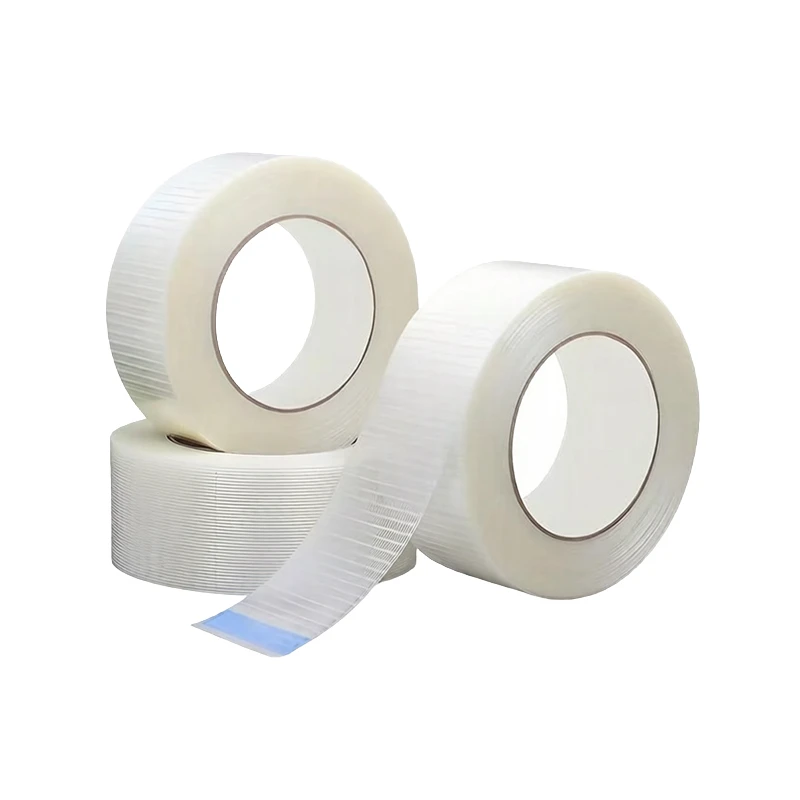
Before we discuss its application on metal surfaces, let's understand what heat resistant fiber tape is. Heat resistant fiber tape is a specialized type of tape made from high - strength fibers that can withstand high temperatures. These fibers are often combined with adhesives that can maintain their bond even under extreme heat conditions. You can find more information about our Heat Resistant Fiber Tape on our website.
The fibers used in heat resistant fiber tape can vary, including fiberglass, aramid, and ceramic fibers. Each type of fiber has unique properties that contribute to the overall performance of the tape. For instance, fiberglass is known for its excellent insulation properties and mechanical strength. Aramid fibers, such as Kevlar, offer high tensile strength and good heat resistance. Ceramic fibers are capable of withstanding extremely high temperatures, up to 2000°C in some cases.
Compatibility with Metal Surfaces
One of the most critical factors in determining whether heat resistant fiber tape can be used on metal surfaces is the compatibility between the tape and the metal. Different metals have different surface properties, including roughness, chemical composition, and reactivity.
Surface Preparation
Surface preparation is crucial for achieving a strong bond between the heat resistant fiber tape and the metal surface. Metals with a smooth surface may require roughening to increase the surface area for adhesion. This can be done through methods such as sandblasting or using abrasive pads. Additionally, the metal surface must be clean and free of contaminants such as oil, grease, and rust. Solvent cleaning or chemical treatments can be employed to ensure a clean surface.
Adhesive Compatibility
The adhesive used in the heat resistant fiber tape must be compatible with the metal surface. Some metals, such as aluminum, can react with certain adhesives, leading to a weak bond or corrosion over time. Our Self Adhesive Fibre Tape uses specially formulated adhesives that have been tested for compatibility with a wide range of metals. These adhesives are designed to maintain their bond strength even in high - temperature environments.
Applications of Heat Resistant Fiber Tape on Metal Surfaces
Industrial Machinery
In industrial settings, heat resistant fiber tape can be used to insulate metal components of machinery. For example, it can be wrapped around pipes carrying hot fluids or around the metal casings of high - temperature equipment. This helps to reduce heat loss, protect nearby components from excessive heat, and improve the overall energy efficiency of the machinery.
Automotive Industry
In the automotive industry, metal parts such as exhaust pipes and engine components are exposed to high temperatures. Heat resistant fiber tape can be applied to these metal surfaces to reduce heat transfer to the surrounding areas. This not only improves the performance of the vehicle but also enhances the safety of the passengers by preventing heat from reaching sensitive areas.
Aerospace Applications
In aerospace, metal structures are often subjected to extreme heat during flight. Heat resistant fiber tape can be used to protect these metal surfaces from thermal damage, ensuring the structural integrity of the aircraft.
Advantages of Using Heat Resistant Fiber Tape on Metal Surfaces
Heat Insulation
One of the primary advantages of using heat resistant fiber tape on metal surfaces is its excellent heat insulation properties. By reducing heat transfer, the tape helps to maintain a stable temperature in the metal component and its surroundings. This is particularly important in applications where temperature control is critical.
Protection from Corrosion
The tape can act as a protective barrier against environmental factors that can cause corrosion on metal surfaces. The fibers in the tape prevent moisture and corrosive chemicals from coming into direct contact with the metal, extending its lifespan.
Easy Installation
Heat resistant fiber tape is relatively easy to install on metal surfaces. It can be cut to the desired size and shape and then simply adhered to the metal. This ease of installation reduces labor costs and downtime during maintenance or installation processes.
Limitations and Considerations
Temperature Limitations
Although heat resistant fiber tape is designed to withstand high temperatures, each type of tape has its own temperature limit. It is essential to choose a tape that can handle the maximum temperature of the application. Exposure to temperatures above the tape's limit can cause the tape to deteriorate, lose its adhesive properties, or even catch fire.
Mechanical Stress
The metal surface may be subjected to mechanical stress, such as vibration or pressure. The tape must be able to withstand these forces without peeling or coming loose. In some cases, additional reinforcement or specialized installation techniques may be required.

Conclusion
In conclusion, heat resistant fiber tape can indeed be used on metal surfaces, provided that proper surface preparation and adhesive compatibility are ensured. The numerous advantages, such as heat insulation, corrosion protection, and easy installation, make it a viable solution for a wide range of applications in different industries.
If you are interested in purchasing heat resistant fiber tape for your metal surface applications, or if you have any questions or need more information, please do not hesitate to contact us for a procurement discussion. Our team of experts is always ready to provide you with the best advice and solutions for your specific needs.
References
- "High - Temperature Materials and Coatings for Gas Turbines" by Guo, J. (ed.), Woodhead Publishing Limited, 2016.
- "Engineering Materials and Their Applications" by Lawrence H. Van Vlack, Addison - Wesley, 1989.
- "Adhesives and Sealants Handbook" by Skeist, I. (ed.), McGraw - Hill Education, 2012.