

Fiber-reinforced tape has emerged as a crucial material in various industries due to its high strength, lightweight, and excellent mechanical properties. As a leading supplier of fiber-reinforced tape, we have witnessed firsthand the increasing demand for understanding how these tapes perform under dynamic loading conditions. This blog post aims to explore the behavior of fiber-reinforced tape under dynamic loading, shed light on its performance characteristics, and provide valuable insights for industries relying on this advanced material.
Understanding Dynamic Loading
Dynamic loading refers to the application of forces that change over time, such as vibrations, impacts, and cyclic loads. Unlike static loading, which involves a constant force applied over a long period, dynamic loading subjects materials to rapidly changing forces, which can significantly affect their performance. In many engineering applications, components made of fiber-reinforced tape are exposed to dynamic loading conditions, making it essential to understand how the material responds to these forces.
Factors Affecting the Performance of Fiber-Reinforced Tape under Dynamic Loading
Several factors influence the performance of fiber-reinforced tape under dynamic loading. These include:
- Fiber Type and Orientation: The type of fiber used in the tape, such as carbon fiber, glass fiber, or aramid fiber, significantly affects its mechanical properties. Different fibers have different strengths, stiffness, and fatigue resistance, which can influence how the tape performs under dynamic loading. Additionally, the orientation of the fibers within the tape can also impact its performance. Fibers aligned in the direction of the applied load can provide greater strength and stiffness, while fibers oriented perpendicular to the load may contribute to improved transverse properties.
- Matrix Material: The matrix material, which holds the fibers together, also plays a crucial role in the performance of fiber-reinforced tape under dynamic loading. The matrix material provides support to the fibers, transfers loads between them, and protects them from environmental factors. Different matrix materials, such as epoxy, polyester, or thermoplastics, have different properties, such as stiffness, toughness, and adhesion, which can affect the overall performance of the tape.
- Tape Thickness and Layup: The thickness of the fiber-reinforced tape and the way it is laid up can also impact its performance under dynamic loading. Thicker tapes generally provide greater strength and stiffness, but they may also be more difficult to process and may have a higher weight. The layup configuration, which refers to the arrangement of the tapes in multiple layers, can also affect the mechanical properties of the final composite. For example, a balanced layup with alternating fiber orientations can provide more uniform properties in all directions.
- Loading Conditions: The type, magnitude, frequency, and duration of the dynamic loading can all affect the performance of fiber-reinforced tape. For example, high-frequency vibrations can cause fatigue failure in the tape over time, while impact loads can cause damage such as delamination or fiber breakage. Understanding the specific loading conditions that the tape will be exposed to is crucial for predicting its performance and ensuring its reliability in service.
Performance Characteristics of Fiber-Reinforced Tape under Dynamic Loading
Fiber-reinforced tape exhibits several performance characteristics under dynamic loading, including:
- High Fatigue Resistance: One of the key advantages of fiber-reinforced tape is its high fatigue resistance. The fibers in the tape can effectively distribute the applied stress, reducing the likelihood of crack initiation and propagation under cyclic loading. This makes fiber-reinforced tape an ideal material for applications that require long-term durability, such as aerospace components, automotive parts, and sporting goods.
- Good Impact Resistance: Fiber-reinforced tape also has good impact resistance, thanks to its ability to absorb and dissipate energy. When subjected to an impact load, the fibers in the tape can deform and stretch, absorbing the energy of the impact and preventing damage to the material. This makes fiber-reinforced tape suitable for applications where impact resistance is critical, such as protective equipment, packaging materials, and structural components in transportation vehicles.
- Damping Properties: Fiber-reinforced tape can also exhibit damping properties, which refer to its ability to dissipate energy and reduce vibrations. The matrix material in the tape can act as a damping medium, absorbing and converting the vibrational energy into heat. This makes fiber-reinforced tape useful for applications where vibration control is important, such as in machinery, aerospace structures, and electronic devices.
- Stiffness and Strength Retention: Under dynamic loading, fiber-reinforced tape can maintain its stiffness and strength over a wide range of frequencies and loading conditions. The fibers in the tape provide the necessary stiffness and strength, while the matrix material helps to transfer the loads between the fibers and protect them from damage. This allows fiber-reinforced tape to perform reliably in demanding applications where high stiffness and strength are required.
Applications of Fiber-Reinforced Tape under Dynamic Loading
Fiber-reinforced tape finds numerous applications in industries where dynamic loading is a significant concern. Some of the key applications include:
- Aerospace: In the aerospace industry, fiber-reinforced tape is used to manufacture various components, such as wings, fuselages, and engine parts. These components are subjected to dynamic loads during flight, including vibrations, gusts, and landing impacts. The high strength, lightweight, and fatigue resistance of fiber-reinforced tape make it an ideal material for these applications, helping to improve the performance and fuel efficiency of aircraft.
- Automotive: In the automotive industry, fiber-reinforced tape is used to produce lightweight structural components, such as body panels, chassis parts, and suspension components. These components are exposed to dynamic loads during vehicle operation, including road vibrations, impacts, and acceleration forces. The use of fiber-reinforced tape can help to reduce the weight of the vehicle, improve its performance, and enhance its safety.
- Sporting Goods: Fiber-reinforced tape is also widely used in the production of sporting goods, such as tennis rackets, golf clubs, bicycles, and snowboards. These products are subjected to dynamic loads during use, including impacts, vibrations, and bending forces. The high strength, stiffness, and fatigue resistance of fiber-reinforced tape make it an ideal material for these applications, allowing athletes to achieve better performance.
- Industrial Machinery: In the industrial machinery sector, fiber-reinforced tape is used to manufacture components that are subjected to dynamic loads, such as gears, shafts, and bearings. These components need to have high strength, stiffness, and wear resistance to ensure reliable operation. The use of fiber-reinforced tape can help to improve the performance and durability of these components, reducing maintenance costs and downtime.
Our Fiber-Reinforced Tape Offerings
As a leading supplier of fiber-reinforced tape, we offer a wide range of products that are designed to meet the specific needs of our customers. Our product portfolio includes Self Adhesive Fibre Tape and Heat Resistant Fiber Tape, which are suitable for various applications under dynamic loading conditions.
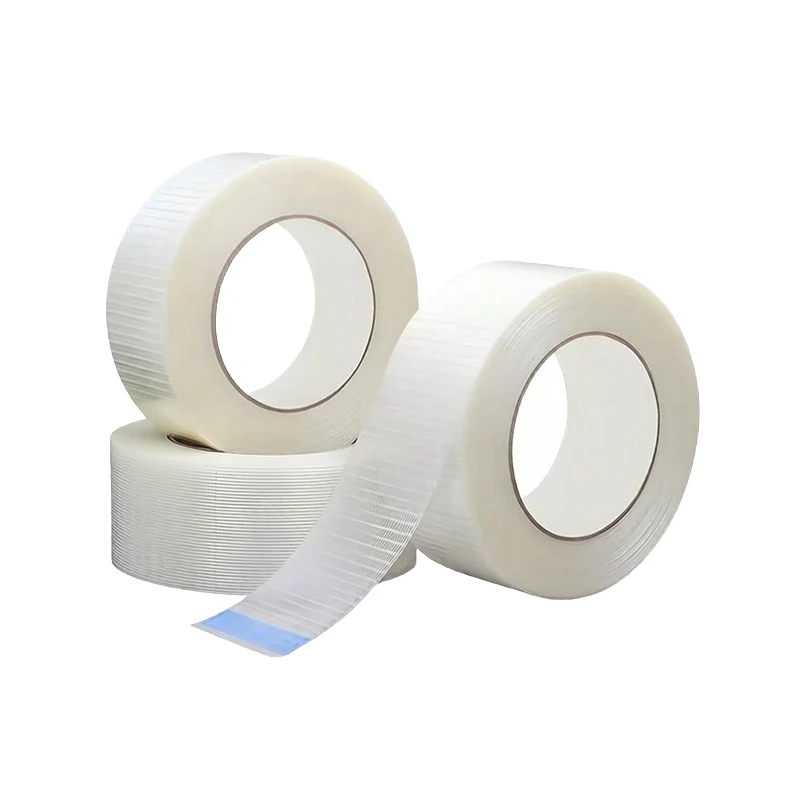
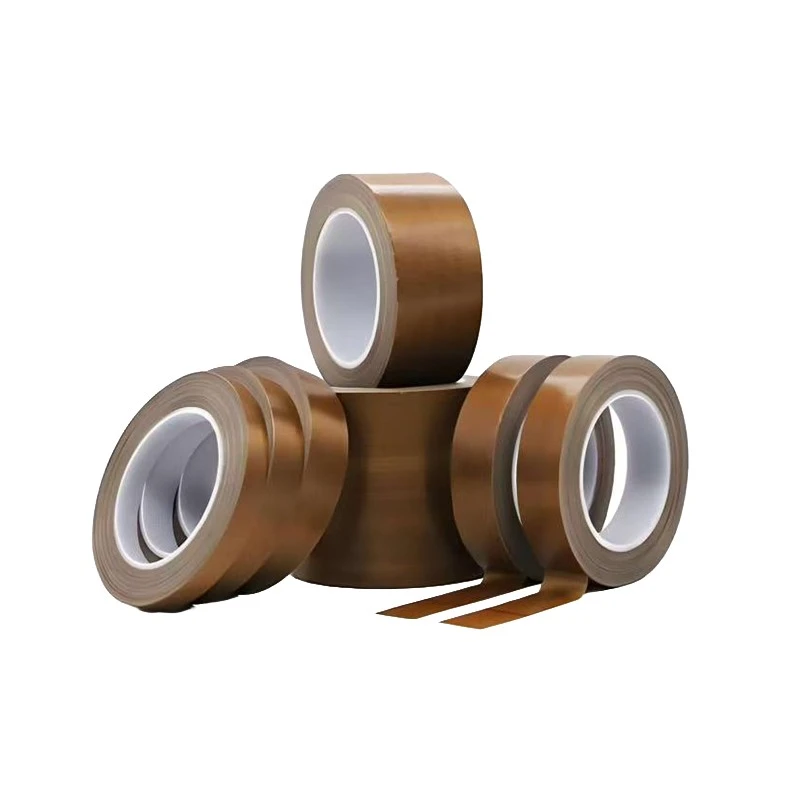
Our self-adhesive fiber tape is easy to apply and provides excellent adhesion to a variety of substrates. It is ideal for applications where quick and convenient installation is required, such as in the automotive and aerospace industries. Our heat-resistant fiber tape, on the other hand, can withstand high temperatures without losing its mechanical properties. It is suitable for applications where exposure to heat is a concern, such as in industrial machinery and electronic devices.
Contact Us for Procurement and Consultation
If you are interested in learning more about our fiber-reinforced tape products or have specific requirements for your application under dynamic loading, we encourage you to contact us. Our team of experts can provide you with detailed information about our products, help you select the right tape for your needs, and offer technical support and consultation.
We are committed to providing high-quality products and excellent customer service. We look forward to the opportunity to work with you and help you achieve your goals with our fiber-reinforced tape solutions.
References
- Camp, C. L. (2006). "Manufacturing Composite and Metal Structures: Materials, Processes, and Applications." McGraw-Hill Professional.
- Daniel, I. M., & Ishai, O. (2006). "Engineering Mechanics of Composite Materials." Oxford University Press.
- Mallick, P. K. (2007). "Fiber-Reinforced Composites: Materials, Manufacturing, and Design." CRC Press.