

Hey there! As a supplier of Pinstripe Painters Tape, I've gotten tons of questions from DIYers and pro painters alike about how to prevent paint from seeping under this type of tape. It's a common headache, but don't worry—I've got some tried - and - true tips to share.
Understanding the Problem
Before we dive into the solutions, let's talk about why paint seeps under Pinstripe Painters Tape in the first place.
One big culprit is improper surface preparation. If the surface you're taping is dirty, dusty, or greasy, the tape won't adhere properly. Paint can then find its way through the tiny gaps between the tape and the surface. Another issue is applying too much pressure when painting. A heavy - handed approach can force the paint under the tape. Temperature and humidity also play a role. If it's too hot, the tape adhesive can soften and lose its grip. In cold weather, the tape may not stick well right off the bat.
Surface Preparation
First things first, you've got to prep the surface. Start by cleaning it thoroughly. Use a mild detergent and water to wipe away dirt, grease, and dust. For tough - to - remove grime, you might need a degreaser. Rinse the surface well and let it dry completely. A dry surface is key for good tape adhesion.
If the surface is rough, you can sand it lightly. This helps the tape bond better. Just make sure to wipe away the sanding dust before applying the tape. And, if you're working on a previously painted surface that has peeling or chipping paint, scrape it off and sand it smooth.
Applying the Tape Correctly
Now, let's talk about how to apply the Pinstripe Painters Tape. You don't wanna just slop it on and hope for the best.
Start by cutting the tape to the length you need. Be careful not to stretch the tape as you cut it, 'cause that can make it uneven and cause paint seepage. When applying the tape, press it down firmly but evenly. Start at one end and work your way to the other, using a putty knife or a tape applicator to smooth out any air bubbles or wrinkles.
The edges of the tape are crucial. Make sure they're well - sealed against the surface. You can even go over the edges with a finger or a tool to really press them down. And if you've got corners or curves, cut the tape at an angle to ensure a tight fit.
Using the Right Tape for the Job
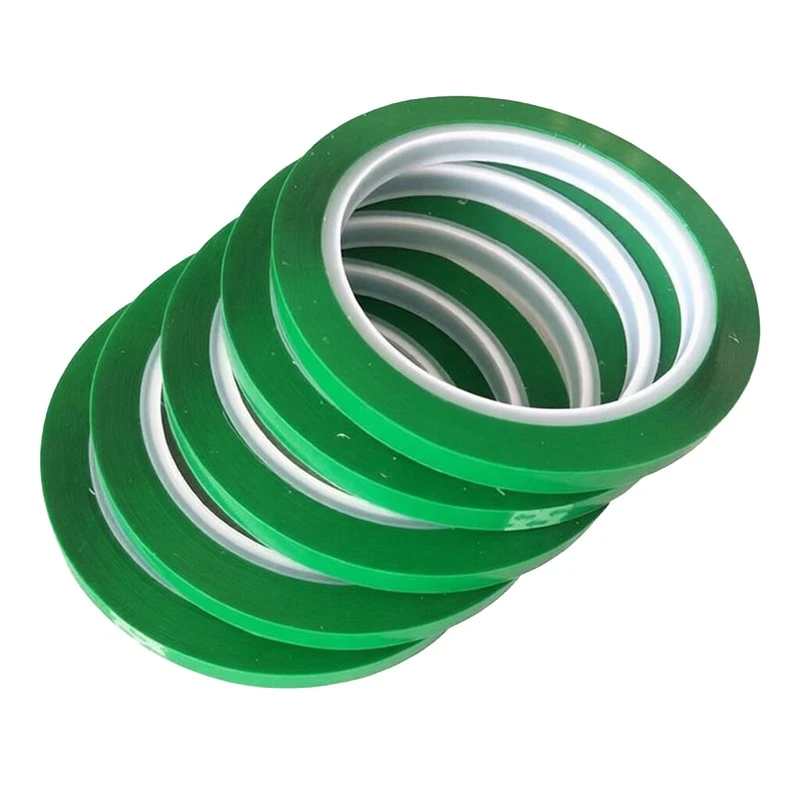
Not all tapes are created equal. Make sure you're using a high - quality Pinstripe Painters Tape. Our tape is designed specifically for fine lines and detailed painting. It has a strong adhesive that holds up well during painting but is still easy to remove without leaving residue.
If you're working on a special project, like painting a car or doing some industrial work, you might want to consider Industrial Masking Tape. It's made to withstand harsh conditions and has extra - strong adhesion. For general home painting projects, Professional Painters Tape or Easy Release Painters Tape can be great options. And if you just need something for basic masking tasks, General Masking Tape will do the trick.

Painting Techniques
Your painting technique can also make a huge difference in preventing paint seepage. When you're painting near the tape, use a light touch. Don't press the brush or roller too hard against the tape. Start a little bit away from the tape and gradually work your way towards it.
If you're using a spray paint, keep the can at the right distance from the surface. Follow the manufacturer's instructions on the can for the best results. And make sure to apply thin coats of paint. Multiple thin coats are better than one thick coat, as thick coats are more likely to seep under the tape.
Sealing the Tape Edges
One really effective way to prevent paint seepage is to seal the edges of the tape. You can use a small amount of the base color or a clear sealing liquid. Just run a thin line along the edge of the tape with a fine - tipped brush. Let it dry completely before you start painting the other color. This creates a barrier that keeps the paint from getting under the tape.
Timing is Everything
Don't rush the process. Let the tape sit on the surface for a few minutes before you start painting. This gives the adhesive time to bond properly. And when it comes time to remove the tape, do it at the right time. If you wait too long, the paint can dry and bond with the tape, making it harder to remove and increasing the risk of pulling off the paint. Generally, it's best to remove the tape while the paint is still a little bit wet.
Temperature and Humidity
As I mentioned earlier, temperature and humidity can affect how well the tape sticks. Try to paint in conditions where the temperature is between 50°F and 90°F (10°C and 32°C) and the humidity is around 40% - 60%. If it's too hot, you might need to work in a shaded area or wait until the temperature cools down. In cold weather, you can warm up the tape slightly before applying it to help it stick better.
Quality Control
As a supplier, I always stress the importance of quality control. Our Pinstripe Painters Tape goes through rigorous testing to ensure it meets the highest standards. We make sure the adhesive is strong enough to hold up during painting but still easy to remove. And the tape itself is made of durable materials that resist tearing and stretching.
By using our high - quality tape and following these tips, you can significantly reduce the chances of paint seeping under the tape and achieve a professional - looking paint job every time.
Final Thoughts
Preventing paint from seeping under Pinstripe Painters Tape is all about a combination of proper surface preparation, correct tape application, the right painting techniques, and paying attention to environmental factors. Sure, it might take a little more time and effort, but the end result is worth it.
If you're in the market for high - quality masking tapes, including our awesome Pinstripe Painters Tape, reach out to us for a purchase consultation. We're here to help you find the perfect tape for your project and answer any questions you might have.
References
- "Painting Techniques for Beginners" by DIY Painting Magazine
- "The Science of Tape Adhesion" by Industrial Adhesive Journal
- Manufacturer's guidelines for various types of masking tapes.