

What is the shear strength of PVC tape? Well, as a PVC tape supplier, I get this question a lot. Shear strength is a crucial factor when it comes to choosing the right tape for your project, so let's dig into it.
First off, let's talk about what shear strength actually means. In simple terms, shear strength is the ability of a tape to resist forces that try to slide the two surfaces it's bonding apart in a parallel direction. Think about it like this: if you stick a piece of tape between two objects and then try to move one object sideways relative to the other, the tape's shear strength determines how well it can hold those objects together.
Now, the shear strength of PVC tape can vary quite a bit depending on several factors. One of the main factors is the quality of the adhesive used on the tape. High - quality adhesives are formulated to provide better bonding and higher shear strength. At our company, we use only top - notch adhesives in our PVC tapes to ensure they perform well in various applications.
Another factor is the thickness and type of the PVC film. Thicker films can often provide better support and contribute to higher shear strength. Different types of PVC films also have different physical properties that can affect how well the tape resists shear forces.
Let's look at some common applications of PVC tape and how shear strength matters in each of them.
PVC Builders Tape
PVC Builders Tape is widely used in construction projects. It's used for tasks like sealing joints, marking areas, and holding temporary fixtures in place. In construction, there are often vibrations, movements, and external forces that can put stress on the tape. A high shear strength is essential here because the tape needs to stay firmly attached to the surfaces it's bonded to, even when there are lateral forces acting on it. For example, if you're using it to seal a joint between two building materials, the tape needs to be able to withstand the normal movement and shifting that can occur as the building settles or due to temperature changes.
PVC Lane Marking Tape
PVC Lane Marking Tape is used on roads and parking lots to mark lanes. It has to endure a lot of wear and tear from traffic. Vehicles driving over the tape create shear forces as they turn, accelerate, and brake. A tape with low shear strength might start to peel or shift, which can lead to unclear lane markings and safety hazards. Our PVC lane marking tape is designed with a high shear strength to ensure long - lasting and visible lane markings, even in high - traffic areas.
Barriere Tape
Barriere Tape is commonly used for crime scenes, construction sites, or any area where you need to cordon off a space. It's often exposed to wind, people bumping into it, and other external factors that can create shear stress. If the shear strength of the tape is too low, it might not stay in place, and the area might not be properly secured. That's why we make sure our barriere tape has a good shear strength to keep it firmly attached to the posts or objects it's tied to.
Coloured PVC Tape
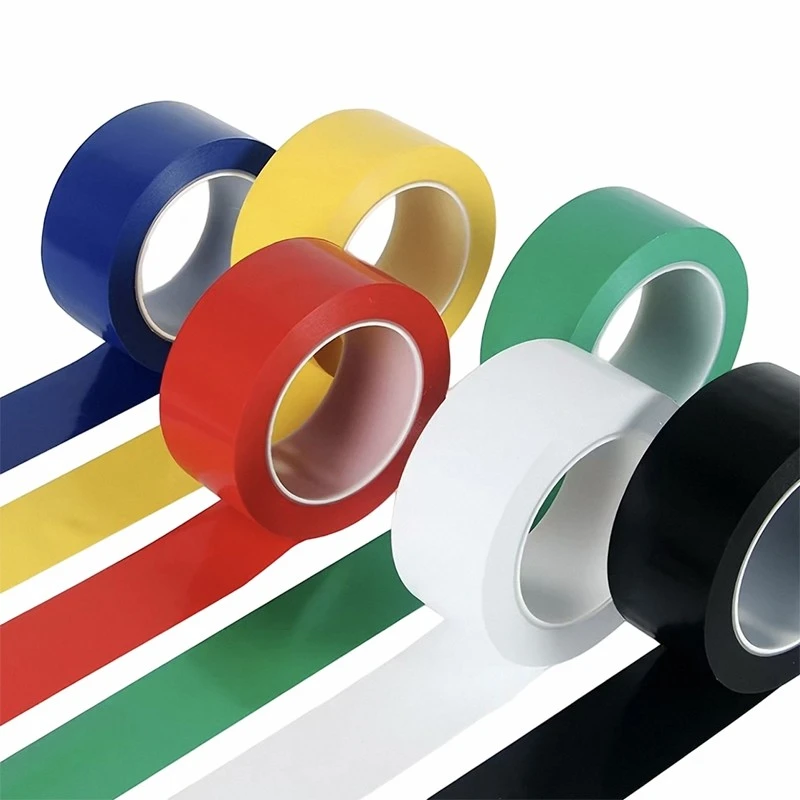
Coloured PVC Tape is used for a variety of purposes, from craft projects to electrical insulation. In craft projects, it might be used to attach paper or other lightweight materials. Even in these seemingly simple applications, a decent shear strength is important. You don't want the tape to come off easily when the materials are handled or moved. In electrical insulation, the tape needs to stay in place to provide proper protection, and shear strength helps ensure it doesn't slide or peel away.
PVC Packing Tape
PVC Packing Tape is used for sealing boxes. When boxes are being moved around in warehouses, on trucks, or during shipping, they can be jostled and pushed. The tape needs to have enough shear strength to keep the box sealed shut. A box that's not properly sealed due to low - shear - strength tape can open up and cause damage to the contents inside.
So, how do we measure the shear strength of our PVC tapes? Well, we use standardized testing methods. One common method is to apply a specific amount of weight to a tape that's been bonded to a surface and measure how long it takes for the tape to start to slide or fail. The longer it takes, the higher the shear strength. We conduct these tests regularly to ensure that our tapes meet or exceed industry standards.
It's also important to note that the shear strength of PVC tape can be influenced by environmental conditions. For example, extreme temperatures can affect the performance of the adhesive. In very cold temperatures, the adhesive might become more brittle and less able to resist shear forces. On the other hand, in very hot temperatures, the adhesive might become too soft and start to lose its grip. That's why we've developed our tapes to perform well in a wide range of temperatures, so you can use them in different climates without worrying too much about a significant drop in shear strength.
If you're in the market for PVC tape, you need to consider the shear strength based on your specific application. If you're working on a project where there are high lateral forces, like in construction or heavy - duty packaging, you'll definitely want a tape with a high shear strength. For lighter - duty applications, like craft projects, a tape with a moderate shear strength might be sufficient.
At our company, we understand that different customers have different needs. That's why we offer a wide range of PVC tapes with varying shear strengths to meet those diverse requirements. Whether you need a tape for a construction project, road marking, or just a simple DIY task, we've got you covered.
If you're interested in learning more about our PVC tapes or have any questions regarding shear strength and which tape is best for your project, don't hesitate to reach out. We're more than happy to have a chat with you and help you find the perfect tape solution. Contact us today to start the procurement process and let's work together to get the right PVC tape for your needs.

References
- ASTM International standards related to adhesive tape testing
- Technical literature on adhesive materials and their performance in different conditions