

What is the abrasion resistance of self-adhesive fibre tape?
In the vast world of industrial materials, self-adhesive fibre tape stands out as a versatile and reliable solution for a multitude of applications. As a seasoned supplier of Self Adhesive Fibre Tape, I've seen firsthand the importance of understanding the abrasion resistance of this remarkable product. In this blog, we'll delve into the concept of abrasion resistance, explore how it impacts the performance of self-adhesive fibre tape, and discuss why it matters in various industries.
Abrasion resistance refers to a material's ability to withstand wear and tear caused by friction, rubbing, or scraping against other surfaces. When it comes to self-adhesive fibre tape, abrasion resistance is a critical property that determines its durability and longevity in real-world applications. Whether it's used for packaging, bundling, insulation, or reinforcement, the tape must be able to resist the forces of abrasion to maintain its integrity and functionality over time.
The abrasion resistance of self-adhesive fibre tape is influenced by several factors, including the type of fibres used, the construction of the tape, and the quality of the adhesive. Let's take a closer look at each of these factors and how they contribute to the tape's overall abrasion resistance.
Fibre Type
The choice of fibres plays a crucial role in determining the abrasion resistance of self-adhesive fibre tape. Different types of fibres have varying levels of strength, flexibility, and resistance to wear. Some of the most commonly used fibres in self-adhesive fibre tape include fibreglass, polyester, and aramid.
Fibreglass is a popular choice for self-adhesive fibre tape due to its high strength, stiffness, and excellent abrasion resistance. It is made up of fine glass filaments that are woven together to form a strong and durable fabric. Fibreglass tape is often used in applications where high strength and abrasion resistance are required, such as in the automotive, aerospace, and construction industries.
Polyester is another commonly used fibre in self-adhesive fibre tape. It is known for its excellent strength, flexibility, and resistance to chemicals and moisture. Polyester tape is often used in applications where a combination of strength and flexibility is required, such as in the packaging and bundling of goods.
Aramid fibres, such as Kevlar, are known for their exceptional strength and abrasion resistance. They are often used in high-performance applications where extreme durability is required, such as in the manufacturing of protective clothing, ropes, and cables. While aramid fibres are more expensive than other types of fibres, they offer superior performance and longevity in demanding environments.
Tape Construction
The construction of self-adhesive fibre tape also plays a significant role in its abrasion resistance. The tape can be made in different configurations, such as single-ply, multi-ply, or reinforced with additional layers. The choice of construction depends on the specific application and the level of abrasion resistance required.
Single-ply tape is the simplest type of self-adhesive fibre tape, consisting of a single layer of fibres coated with an adhesive. It is suitable for applications where a moderate level of abrasion resistance is required.
Multi-ply tape is made up of multiple layers of fibres laminated together with an adhesive. It offers increased strength and abrasion resistance compared to single-ply tape and is often used in more demanding applications.
Reinforced tape is a type of multi-ply tape that includes additional layers of reinforcement, such as woven fabric or mesh. The reinforcement provides extra strength and stability to the tape, making it even more resistant to abrasion and tearing.
Adhesive Quality
The quality of the adhesive used in self-adhesive fibre tape is another important factor that affects its abrasion resistance. The adhesive must be able to bond firmly to the fibres and the surface it is applied to, while also being able to withstand the forces of abrasion without losing its adhesion.
There are several types of adhesives used in self-adhesive fibre tape, including acrylic, rubber-based, and silicone. Each type of adhesive has its own unique properties and characteristics, and the choice of adhesive depends on the specific application and the requirements of the user.
Acrylic adhesives are known for their excellent adhesion, flexibility, and resistance to UV light and moisture. They are often used in applications where a high level of adhesion and durability is required, such as in the automotive and aerospace industries.
Rubber-based adhesives are known for their strong initial tack and good adhesion to a variety of surfaces. They are often used in applications where a quick and easy bond is required, such as in the packaging and bundling of goods.
Silicone adhesives are known for their high temperature resistance, flexibility, and chemical resistance. They are often used in applications where a high level of performance is required in extreme conditions, such as in the manufacturing of electronic components and aerospace equipment.
Importance of Abrasion Resistance in Different Industries
The abrasion resistance of self-adhesive fibre tape is crucial in a wide range of industries, including automotive, aerospace, construction, packaging, and electronics. Let's take a look at how abrasion resistance impacts the performance of self-adhesive fibre tape in each of these industries.
Automotive Industry: In the automotive industry, self-adhesive fibre tape is used for a variety of applications, including wire harnessing, insulation, and body panel reinforcement. The tape must be able to withstand the harsh conditions of the automotive environment, including high temperatures, vibrations, and exposure to chemicals and fluids. Abrasion resistance is essential to ensure that the tape remains intact and functional over the life of the vehicle.
Aerospace Industry: In the aerospace industry, self-adhesive fibre tape is used for critical applications, such as aircraft wiring, composite repairs, and insulation. The tape must be able to withstand the extreme conditions of the aerospace environment, including high altitudes, low temperatures, and exposure to radiation and chemicals. Abrasion resistance is essential to ensure that the tape does not degrade or fail under these conditions, which could have serious consequences for the safety and performance of the aircraft.
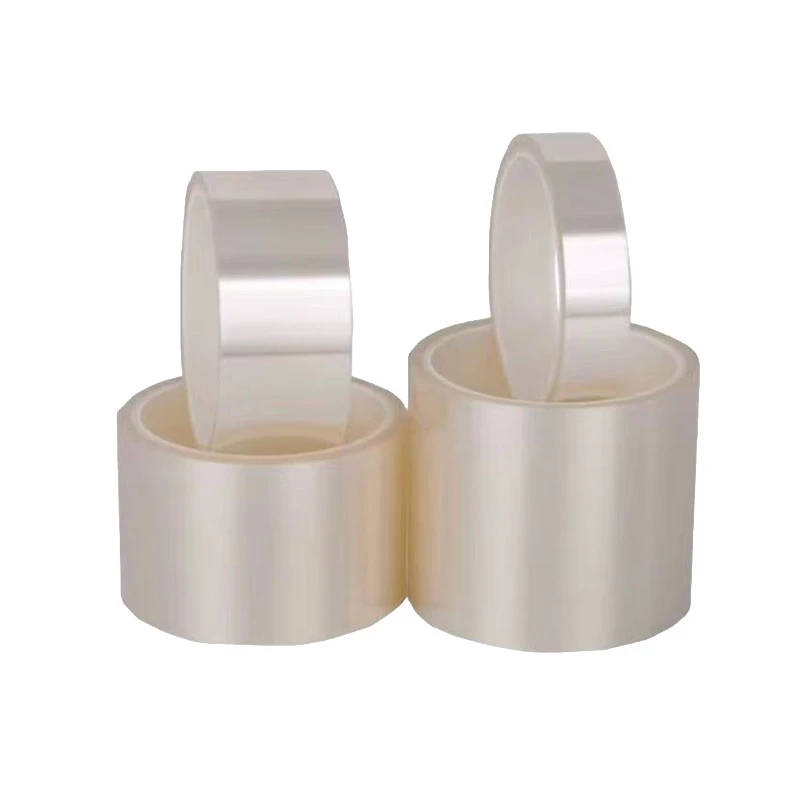
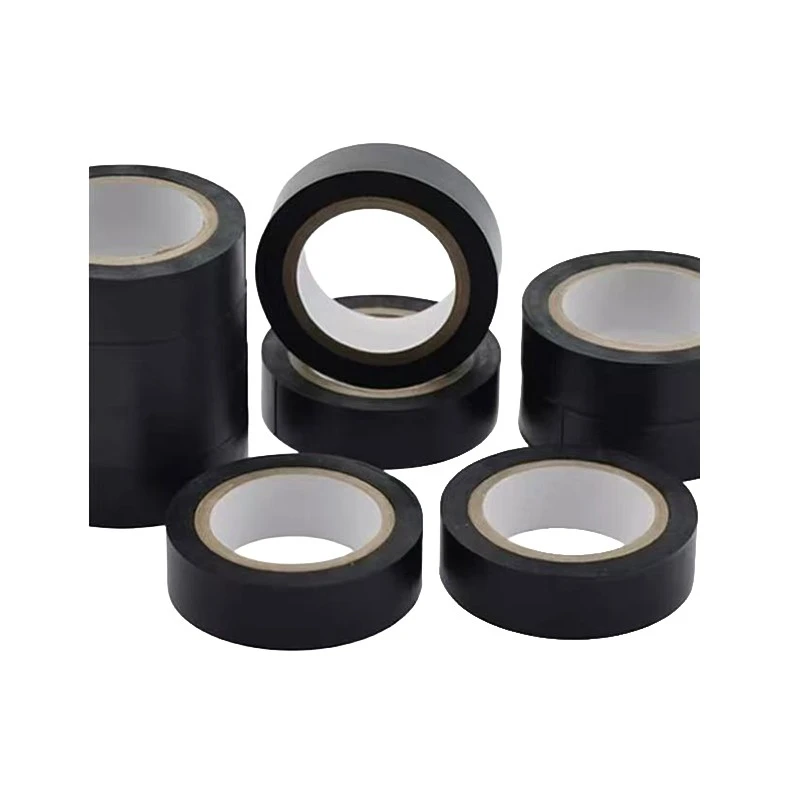
Construction Industry: In the construction industry, self-adhesive fibre tape is used for a variety of applications, including sealing, insulation, and reinforcement. The tape must be able to withstand the rough handling and harsh conditions of the construction site, including exposure to dirt, dust, and moisture. Abrasion resistance is essential to ensure that the tape remains intact and functional during the construction process and over the life of the building.
Packaging Industry: In the packaging industry, self-adhesive fibre tape is used for bundling, sealing, and protecting products. The tape must be able to withstand the rigors of transportation and handling, including rubbing against other packages and surfaces. Abrasion resistance is essential to ensure that the tape does not tear or come loose during transit, which could result in damage to the products.
Electronics Industry: In the electronics industry, self-adhesive fibre tape is used for a variety of applications, including wire harnessing, insulation, and shielding. The tape must be able to withstand the high temperatures and vibrations generated by electronic devices, as well as exposure to chemicals and moisture. Abrasion resistance is essential to ensure that the tape does not interfere with the performance of the electronic components or cause short circuits.
How to Choose the Right Self-Adhesive Fibre Tape for Abrasion Resistance
When choosing a self-adhesive fibre tape for abrasion resistance, there are several factors to consider, including the type of application, the level of abrasion resistance required, and the environmental conditions. Here are some tips to help you choose the right tape for your needs:
- Understand the Application: The first step in choosing the right self-adhesive fibre tape is to understand the specific application and the requirements of the user. Consider factors such as the type of surface the tape will be applied to, the level of stress and strain the tape will be subjected to, and the environmental conditions the tape will be exposed to.
- Consider the Fibre Type: As mentioned earlier, the choice of fibres plays a crucial role in determining the abrasion resistance of self-adhesive fibre tape. Consider the specific requirements of your application and choose a tape that is made from fibres that are known for their high strength and abrasion resistance, such as fibreglass or aramid.
- Evaluate the Tape Construction: The construction of the tape also affects its abrasion resistance. Consider the specific requirements of your application and choose a tape that is constructed in a way that provides the necessary strength and durability. For example, if you need a tape that is highly resistant to tearing and abrasion, choose a multi-ply or reinforced tape.
- Choose the Right Adhesive: The quality of the adhesive used in the tape is another important factor to consider. Choose an adhesive that is known for its strong adhesion and resistance to wear and tear. Consider the specific requirements of your application and choose an adhesive that is suitable for the surface the tape will be applied to and the environmental conditions the tape will be exposed to.
- Test the Tape: Before using the tape in your application, it's a good idea to test it under similar conditions to ensure that it meets your requirements. You can perform a simple abrasion test by rubbing the tape against a rough surface and observing how it performs. If the tape shows signs of wear or damage, it may not be suitable for your application.
Conclusion
In conclusion, the abrasion resistance of self-adhesive fibre tape is a critical property that determines its durability and longevity in real-world applications. By understanding the factors that affect abrasion resistance, such as the type of fibres used, the construction of the tape, and the quality of the adhesive, you can choose the right tape for your specific needs and ensure that it performs well in your application.
As a supplier of Self Adhesive Fibre Tape, we are committed to providing our customers with high-quality products that meet their needs and exceed their expectations. If you have any questions or need help choosing the right tape for your application, please don't hesitate to contact us. We would be happy to discuss your requirements and provide you with a customized solution.
Heat Resistant Fiber Tape is another product in our range that offers excellent performance in high-temperature environments. If you have applications that require heat resistance in addition to abrasion resistance, this may be the right choice for you.
We look forward to the opportunity to work with you and provide you with the best self-adhesive fibre tape solutions. Whether you are a small business or a large corporation, we are here to support you in your projects. Contact us today to start the conversation and explore how our products can enhance your operations.
References
- ASTM International. (2023). Standard Test Methods for Abrasion Resistance of Textile Fabrics (Rotary Platform, Double-Head Method). ASTM D3884 - 23.
- Wilson, A. D., & Cook, R. F. (2018). Handbook of Adhesives and Surface Preparation: Technology, Applications and Manufacturing. William Andrew.