

Alright, folks! As a supplier of Self Adhesive Fibre Tape, I often get asked a bunch of questions about our products. One question that pops up quite a bit is, "Is self - adhesive fibre tape resistant to fungal growth?" Let's dig into this topic and find out.
First off, let's understand what self - adhesive fibre tape is. It's a super - useful tape that combines the strength of fibres with a self - adhesive backing. This tape is used in a wide range of applications, from DIY projects at home to industrial uses. You can use it for sealing, binding, and even reinforcing stuff. It's tough, flexible, and easy to use, which is why it's so popular.
Now, let's talk about fungi. Fungi are everywhere. They're tiny organisms that love to grow in damp, warm, and dark places. You've probably seen mold growing on old food in the fridge or on the walls of a basement. Fungi can cause all sorts of problems. They can damage materials, make them look ugly, and even pose health risks. So, it's a big deal to know if our self - adhesive fibre tape can stand up to these pesky fungi.
The resistance of self - adhesive fibre tape to fungal growth depends on a few factors. One of the main things is the materials used to make the tape. Most self - adhesive fibre tapes are made from synthetic fibres like polyester or fibreglass. These materials are generally not very appealing to fungi. They don't have the nutrients that fungi need to grow, like carbohydrates and proteins. So, from a material perspective, there's a good chance that the tape itself won't support fungal growth.
Another factor is the adhesive. The adhesive on self - adhesive fibre tape can vary. Some adhesives are more resistant to fungal growth than others. For example, adhesives that are formulated with anti - microbial agents are less likely to let fungi take hold. These agents work by killing or inhibiting the growth of fungi. So, if you're worried about fungal growth, look for a tape with an anti - microbial adhesive.
The environment where the tape is used also plays a huge role. If the tape is installed in a dry, well - ventilated area, the chances of fungal growth are pretty low. Fungi need moisture to thrive, so keeping the area dry is key. On the other hand, if the tape is in a place that's constantly damp, like a bathroom or a basement, the risk of fungal growth goes up.
Let's take a look at some real - world scenarios. Say you're using self - adhesive fibre tape to seal some pipes in your basement. If the basement has a moisture problem, with water seeping in from the walls or the floor, the tape is more likely to be exposed to conditions that favour fungal growth. In this case, you might want to choose a tape with a higher level of fungal resistance. You can also take steps to reduce the moisture in the basement, like using a dehumidifier.
Now, what about industrial applications? In industries, self - adhesive fibre tape is used in all sorts of places, from factories to warehouses. Some industrial environments can be pretty harsh, with high humidity and temperature fluctuations. In these cases, the tape needs to be extra resistant to fungal growth. That's where tapes like our Heat Resistant Fiber Tape come in handy. This tape is designed to withstand tough conditions, including the threat of fungal growth.
It's also important to note that proper installation and maintenance can make a big difference. When you install self - adhesive fibre tape, make sure the surface is clean and dry. Any dirt, dust, or moisture on the surface can provide a breeding ground for fungi. After installation, keep an eye on the tape. If you notice any signs of discoloration, peeling, or a musty smell, it could be a sign of fungal growth.
If you do find that there's some fungal growth on the tape, don't panic. You can clean the area with a mild detergent and water. Make sure to dry the tape thoroughly after cleaning. If the problem persists, you might need to replace the tape.
So, to sum it up, self - adhesive fibre tape can be resistant to fungal growth, but it depends on the materials, the adhesive, the environment, and how it's installed and maintained. If you choose a tape made from synthetic fibres with an anti - microbial adhesive and use it in a dry, well - ventilated area, you'll have a pretty good chance of keeping fungi at bay.
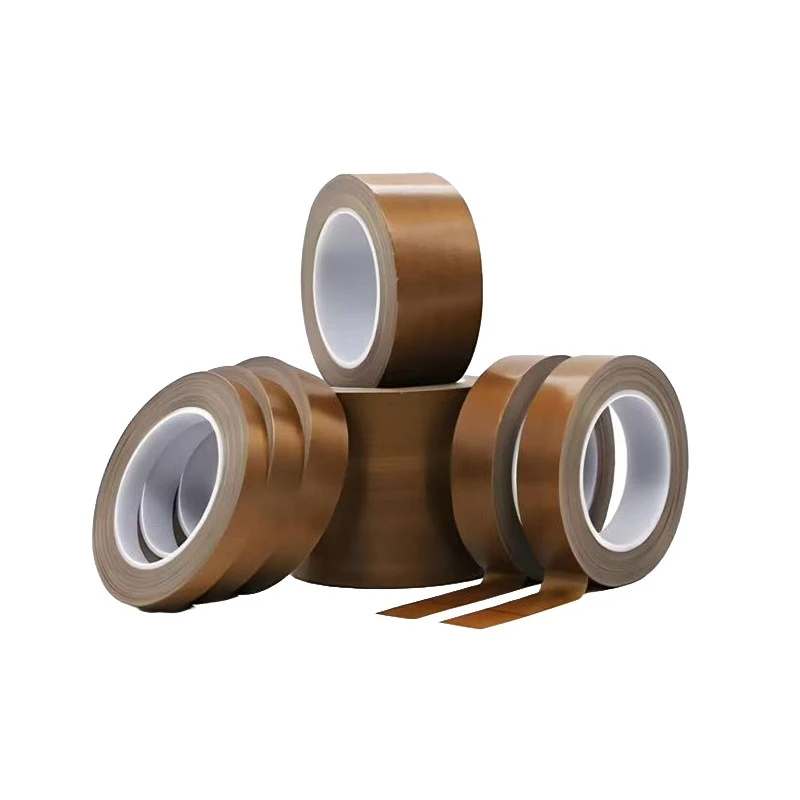
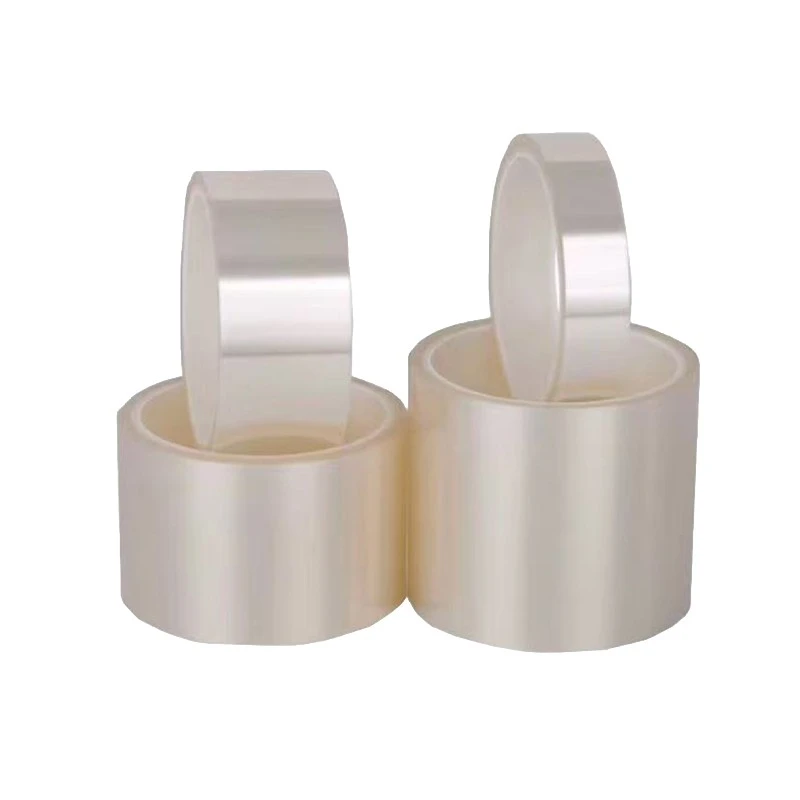
If you're in the market for self - adhesive fibre tape and want a product that can stand up to fungal growth, we've got you covered. We offer a wide range of high - quality self - adhesive fibre tapes that are designed to meet different needs and applications. Whether you're a DIY enthusiast or a professional in the industry, we can provide the right tape for you.
If you're interested in learning more about our products or have any specific questions, don't hesitate to reach out. We're always happy to help you find the perfect tape for your project and discuss the best options for dealing with fungal growth. Let's start a conversation and see how we can work together!
References
- General knowledge of materials science and polymer chemistry.
- Observations from real - world use of self - adhesive fibre tape in various environments.