

Humidity is an environmental factor that can significantly impact various materials, and PVC tape is no exception. As a PVC tape supplier, understanding how humidity affects PVC tape is crucial for ensuring product quality and meeting customer needs. In this blog post, we'll explore the various ways humidity can influence PVC tape, from its physical properties to its performance.
Adhesive Properties
One of the most critical aspects of PVC tape is its adhesive. The adhesive is what allows the tape to stick to surfaces, and humidity can have a profound effect on its performance.
Adhesive Bond Strength
High humidity levels can reduce the bond strength of the adhesive on PVC tape. When the air is humid, moisture can seep between the tape and the surface it's applied to. This moisture acts as a barrier, preventing the adhesive from forming a strong bond with the surface. For example, in a warehouse with high humidity, PVC packing tape PVC Packing Tape used to seal boxes may start to peel off over time, as the moisture weakens the adhesive bond.
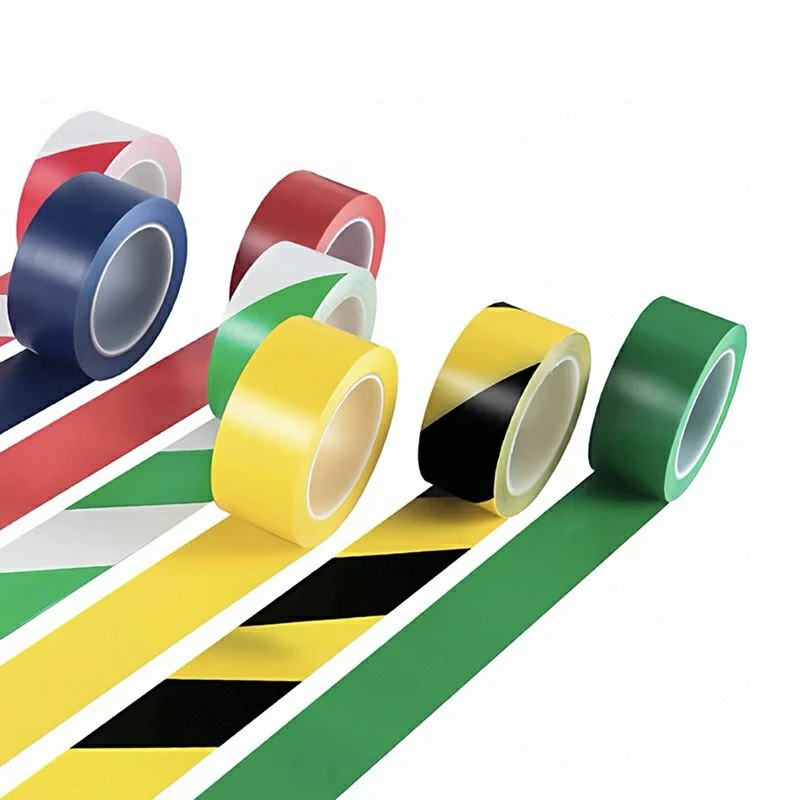
On the other hand, low humidity can also cause problems. In dry conditions, the adhesive may become brittle. This makes it difficult for the tape to conform to the surface properly, leading to a less secure bond. For instance, in a cold, dry storage facility, the adhesive on PVC lane marking tape PVC Lane Marking Tape might not adhere well to the floor, resulting in premature lifting.
Adhesive Cure Time
Humidity can also affect the cure time of the adhesive. In high - humidity environments, the presence of moisture can slow down the chemical reactions that cause the adhesive to cure. This means that the tape may take longer to reach its full bonding strength. For PVC builders tape PVC Builders Tape used in construction projects, a longer cure time can delay the project schedule.
In low - humidity conditions, the adhesive may cure too quickly. This can lead to a situation where the adhesive forms a hard, inflexible layer that doesn't bond well to the surface. The tape may not be able to adhere properly, and its overall performance will be compromised.
Physical Properties of the PVC Film
Softening and Stretching
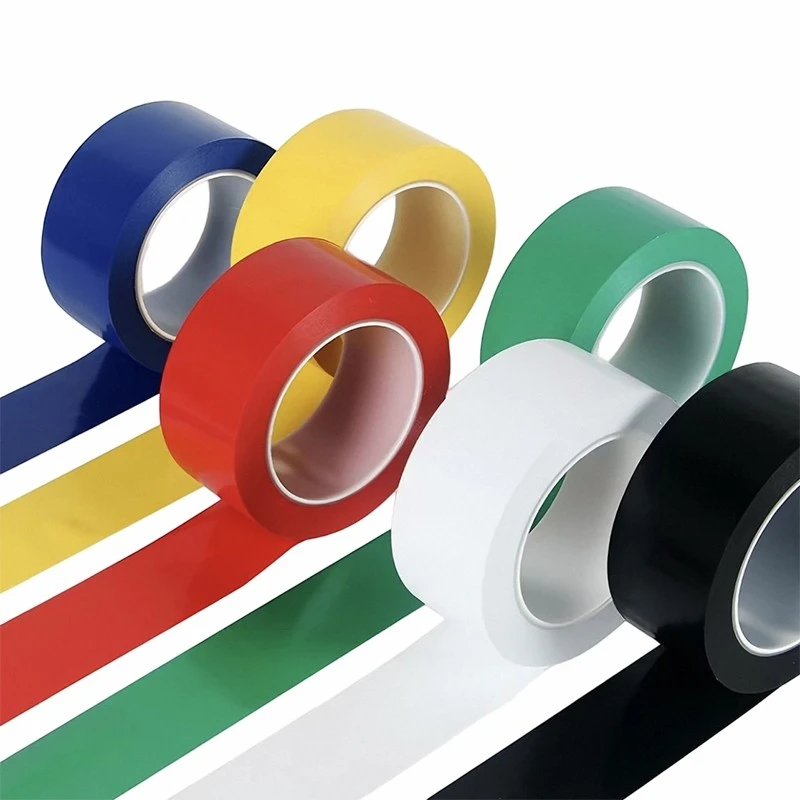
High humidity can cause the PVC film of the tape to absorb moisture. As the PVC absorbs water, it can soften and become more pliable. This can be a problem for applications where the tape needs to maintain its shape. For example, coloured PVC tape Coloured PVC Tape used for decorative purposes may start to stretch or deform when exposed to high humidity.
In addition, the softened tape may be more prone to tearing. When handling the tape, even a slight tug can cause it to rip, making it difficult to use in applications where the tape needs to be cut and applied precisely.
Brittleness in Low Humidity
Conversely, in low - humidity environments, the PVC film can lose moisture and become brittle. This is especially true for tapes stored in dry warehouses or used in arid climates. The brittle tape is more likely to crack or break when bent or stretched. Barriere tape Barriere Tape used in construction sites or forensic investigations may crack if it's exposed to low humidity for an extended period, rendering it ineffective.
Condensation and Mold Growth
Condensation
Humidity can lead to condensation on the surface of PVC tape. When the temperature of the tape surface drops below the dew point of the surrounding air, moisture in the air condenses on the tape. This can be a problem in environments where the tape is exposed to temperature fluctuations, such as in a cold storage room that is occasionally heated.
Condensation can cause the tape to become wet, which can weaken the adhesive and potentially damage the PVC film. In addition, the wet tape may attract dust and dirt, further reducing its performance.
Mold Growth
High humidity levels provide an ideal environment for mold growth. If PVC tape is stored in a humid area for an extended period, mold can start to grow on its surface. Mold not only looks unsightly but can also affect the integrity of the tape. It can break down the PVC material and the adhesive, reducing the tape's performance and lifespan.
Storage and Handling Recommendations
As a PVC tape supplier, we recommend the following storage and handling practices to minimize the impact of humidity on our products:
Storage Conditions
Store PVC tape in a cool, dry place with a humidity level between 40% - 60%. This range helps to maintain the optimal properties of both the PVC film and the adhesive. Avoid storing the tape in areas prone to high humidity, such as basements or near water sources.
Packaging
Our PVC tapes are packaged in a way that provides some protection against humidity. However, once the package is opened, it's important to use the tape as soon as possible. If you need to store the opened tape, make sure to seal it tightly to prevent moisture from getting in.
Application
When applying PVC tape in high - humidity conditions, make sure the surface is clean and dry. You can use a dehumidifier or a heat gun to dry the surface before applying the tape. In low - humidity conditions, you may need to warm the tape slightly to make it more flexible and improve the adhesive bond.
Conclusion
Humidity can have a significant impact on the performance and lifespan of PVC tape. From affecting the adhesive properties to causing physical changes in the PVC film, humidity is a factor that cannot be ignored. As a PVC tape supplier, we are committed to providing high - quality products and offering guidance on how to store and use our tapes in different environmental conditions.
If you have any questions about our PVC tapes or need advice on how to handle humidity - related issues, we encourage you to contact us for a procurement discussion. We are here to help you find the best PVC tape solutions for your specific needs.
References
- ASTM International. (Year). Standard test methods for evaluating the properties of pressure - sensitive tapes.
- Smith, J. (Year). The effects of environmental factors on polymer - based materials. Journal of Polymer Science.
- Jones, A. (Year). Humidity and its impact on adhesive performance. Adhesives and Sealants Magazine.