

As a seasoned kraft paper tape supplier, I've often been asked about the performance of our products in cold temperatures. It's a crucial question, especially for industries that operate in low-temperature environments, such as food storage and transportation, cold storage facilities, and outdoor winter applications. In this blog post, I'll delve into the science behind kraft paper tape's behavior in the cold and share insights based on our extensive experience in the industry.
Understanding Kraft Paper Tape
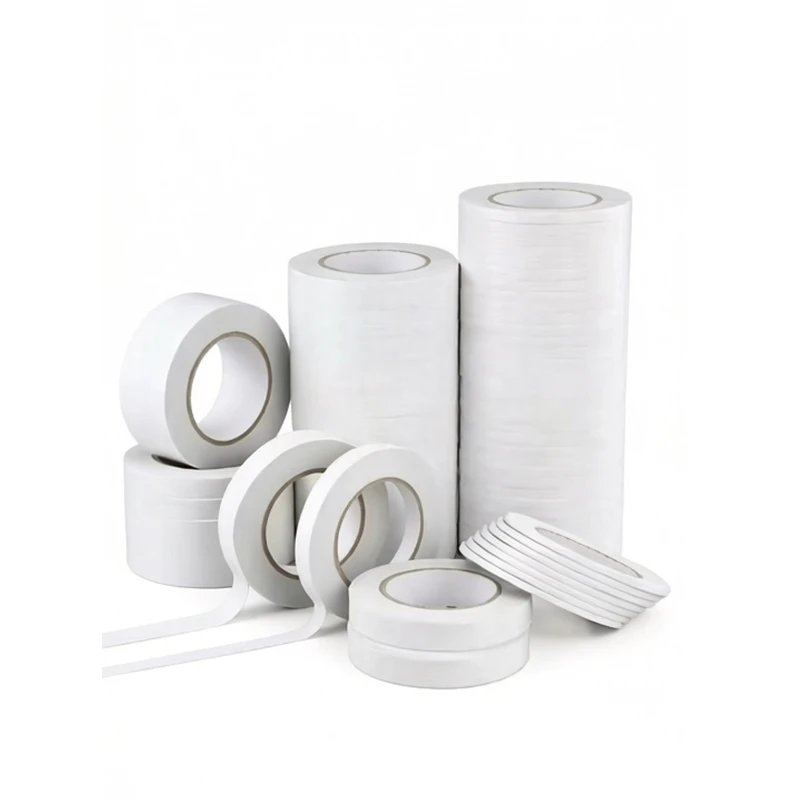
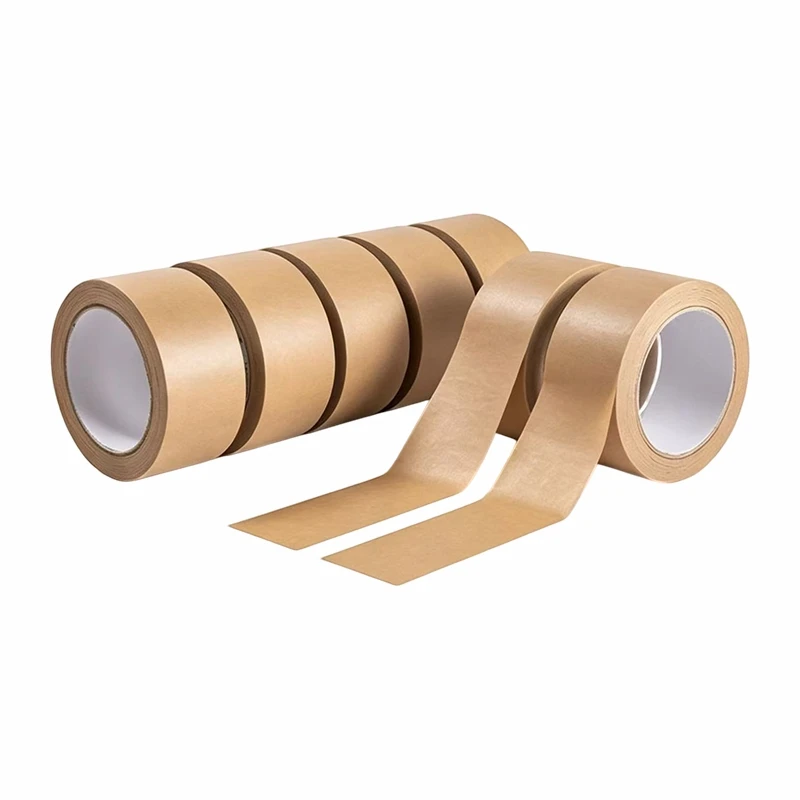
Before we discuss its performance in cold temperatures, let's briefly understand what kraft paper tape is. Kraft paper tape is made from natural kraft paper, which is known for its strength and durability. The tape is typically coated with an adhesive on one side, allowing it to stick to various surfaces. There are different types of kraft paper tapes available, such as White Kraft Tape, Brown Kraft Packaging Tape, Eco Kraft Tape, and Kraft Paper Tape Printed, each designed for specific applications and customer needs.
How Temperature Affects Adhesives
The adhesive is the key component that determines how well kraft paper tape will work in cold temperatures. Adhesives are sensitive to temperature changes, and their performance can vary significantly depending on the environment. In general, most adhesives become less flexible and more brittle as the temperature drops. This can lead to a reduction in the tape's ability to adhere to surfaces, as well as a decrease in its overall strength and durability.
There are two main types of adhesives used in kraft paper tape: natural rubber adhesives and synthetic rubber adhesives. Natural rubber adhesives are known for their excellent initial tack and adhesion to a wide range of surfaces. However, they tend to lose their flexibility and adhesion at lower temperatures. Synthetic rubber adhesives, on the other hand, are more resistant to cold temperatures and can maintain their adhesion and flexibility even in freezing conditions.
Performance of Kraft Paper Tape in Cold Temperatures
The performance of kraft paper tape in cold temperatures depends on several factors, including the type of adhesive, the thickness of the tape, and the surface it is applied to. Here's a detailed look at how these factors can affect the tape's performance:
- Type of Adhesive: As mentioned earlier, synthetic rubber adhesives are generally better suited for cold temperatures than natural rubber adhesives. They can maintain their flexibility and adhesion even in sub-zero temperatures, making them ideal for use in cold storage facilities and outdoor winter applications.
- Thickness of the Tape: Thicker tapes tend to be more resistant to cold temperatures than thinner tapes. This is because the extra thickness provides more insulation and helps to prevent the adhesive from becoming too brittle. However, it's important to note that thicker tapes may also be more difficult to apply and may not be suitable for all applications.
- Surface Preparation: Proper surface preparation is crucial for ensuring good adhesion, especially in cold temperatures. The surface should be clean, dry, and free of any dirt, grease, or moisture. If the surface is not properly prepared, the tape may not adhere well, even in warmer temperatures.
- Application Temperature: The temperature at which the tape is applied can also affect its performance in cold temperatures. It's best to apply the tape at a temperature above freezing to ensure that the adhesive can properly bond to the surface. If the tape is applied at a very low temperature, the adhesive may not fully activate, resulting in poor adhesion.
Tips for Using Kraft Paper Tape in Cold Temperatures
If you need to use kraft paper tape in cold temperatures, here are some tips to help ensure its optimal performance:
- Choose the Right Tape: Select a tape with a synthetic rubber adhesive that is specifically designed for use in cold temperatures. This will help to ensure that the tape maintains its adhesion and flexibility even in freezing conditions.
- Store the Tape Properly: Store the tape in a warm, dry place before use. Avoid exposing the tape to extreme cold or moisture, as this can damage the adhesive and reduce its performance.
- Prepare the Surface: Clean and dry the surface thoroughly before applying the tape. Use a lint-free cloth and a mild detergent to remove any dirt, grease, or moisture. Allow the surface to dry completely before applying the tape.
- Apply the Tape at the Right Temperature: Apply the tape at a temperature above freezing to ensure that the adhesive can properly bond to the surface. If the temperature is too low, the adhesive may not fully activate, resulting in poor adhesion.
- Use Pressure: Apply firm pressure to the tape after applying it to the surface. This will help to ensure that the adhesive makes good contact with the surface and provides a strong bond.
- Allow Time for the Adhesive to Cure: After applying the tape, allow it some time to cure. This will help to ensure that the adhesive reaches its maximum strength and adhesion.
Real-World Applications
Kraft paper tape has a wide range of applications in cold-temperature environments. Here are some examples:
- Food Storage and Transportation: Kraft paper tape is commonly used to seal boxes and packages in the food industry. It can withstand the cold temperatures of refrigerated trucks and storage facilities, ensuring that the food products remain fresh and secure during transportation.
- Cold Storage Facilities: In cold storage warehouses, kraft paper tape is used to seal pallets, boxes, and other containers. Its ability to maintain adhesion in cold temperatures makes it an ideal choice for these applications.
- Outdoor Winter Applications: Kraft paper tape can also be used for outdoor winter applications, such as sealing envelopes, packaging gifts, and labeling items. Its durability and resistance to cold temperatures make it a reliable choice for these tasks.
Conclusion
In conclusion, kraft paper tape can work well in cold temperatures, but its performance depends on several factors, including the type of adhesive, the thickness of the tape, and the surface it is applied to. By choosing the right tape, preparing the surface properly, and following the tips mentioned above, you can ensure that the tape performs optimally in cold-temperature environments.
If you're looking for high-quality kraft paper tape that performs well in cold temperatures, we're here to help. As a leading kraft paper tape supplier, we offer a wide range of products to meet your specific needs. Whether you need White Kraft Tape, Brown Kraft Packaging Tape, Eco Kraft Tape, or Kraft Paper Tape Printed, we have the right solution for you.
Contact us today to discuss your requirements and explore how our kraft paper tape can meet your needs in cold-temperature applications. We look forward to partnering with you and providing you with the best products and services in the industry.
References
- Brandrup, J., Immergut, E. H., & Grulke, E. A. (Eds.). (1999). Polymer Handbook. John Wiley & Sons.
- Geim, A. K., & Novoselov, K. S. (2007). The rise of graphene. Nature materials, 6(3), 183-191.
- Kolar, D. C., & Rhode, R. K. (1979). Handbook of Adhesives and Sealants. McGraw-Hill.
- Patton, T. C. (1979). Paint Flow and Pigment Dispersion: A Rheological Approach to Coating and Ink Technology. John Wiley & Sons.