

Hey there! As a supplier of Self Adhesive Fibre Tape, I often get asked if this tape can be used for electrical insulation. It's a super important question, considering electrical safety is no joke. So, let's dive into this topic and figure out what's what.
Understanding Self - Adhesive Fibre Tape
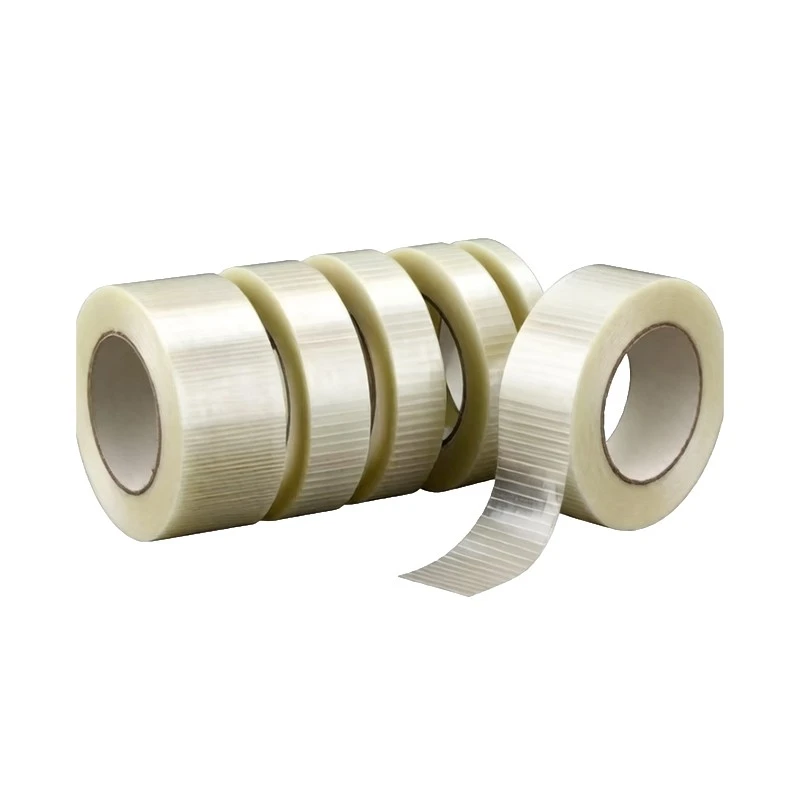
First off, let's take a look at what self - adhesive fibre tape is. This tape is made of fibres that are usually reinforced with some sort of adhesive. The fibres can be different types like glass fibres or synthetic ones. The great thing about it is that it's flexible, easy to use, and has good strength. You can tear it by hand in many cases, which makes it really convenient for quick repairs and various applications.
The self - adhesive part means that you don't need any extra tools or adhesives to stick it to a surface. You just peel off the backing and apply it. It can be used in a bunch of industries, from packaging to DIY projects around the house. But when it comes to electrical insulation, things get a bit more complicated.
What Electrical Insulation Requires
Electrical insulation has some strict requirements. The main job of an electrical insulator is to prevent the flow of electric current. It needs to have high resistance to electricity, which means it should stop the electrons from moving through it easily.
Another important factor is dielectric strength. This is the maximum electric field that an insulating material can withstand without breaking down and allowing current to flow. In simpler terms, it's how well the material can hold up under high - voltage conditions.
Heat resistance is also crucial. Electrical components can get hot during operation, and the insulation needs to be able to handle that heat without melting or losing its insulating properties.
Can Self - Adhesive Fibre Tape Meet the Standards?
The answer isn't a straightforward yes or no. Some self - adhesive fibre tapes can have sufficient electrical resistance for low - voltage applications. For example, if you're just doing a small repair on a low - voltage circuit like a battery - powered device, a good - quality self - adhesive fibre tape might work.
However, for high - voltage applications, it's a different story. Most self - adhesive fibre tapes don't have the high dielectric strength required to safely insulate high - voltage electrical systems. High - voltage electricity can easily break through the tape's insulation and cause a short circuit or even an electrical shock.
Let's talk about heat resistance. As I mentioned earlier, many self - adhesive fibre tapes can have decent heat resistance. But if you're dealing with an electrical component that generates a lot of heat, like a high - power transformer or a motor, regular self - adhesive fibre tape may not be enough. You might want to consider our Heat Resistant Fiber Tape which is designed to handle higher temperatures.
Factors to Consider
If you're thinking about using self - adhesive fibre tape for electrical insulation, there are a few things you need to consider.
1. Voltage Level
As I've already said, low - voltage applications are more likely to be suitable for self - adhesive fibre tape. But you need to know exactly what the voltage of your electrical system is. If it's above a few volts, you should be extra cautious.
2. Environmental Conditions
The environment where the tape will be used matters a lot. If it's a wet or humid environment, the tape's insulating properties can be affected. Moisture can conduct electricity, and if it gets into the tape, it can reduce its effectiveness.
3. Duration of Use
If it's a short - term fix, self - adhesive fibre tape might be okay. But for long - term electrical insulation, you need a more reliable solution. Over time, the tape can degrade, especially if it's exposed to heat, moisture, or chemicals.
Testing and Certification
When it comes to electrical insulation, testing and certification are key. A tape that has been tested by a recognized standards organization is a much safer bet. These tests usually involve measuring the tape's electrical resistance, dielectric strength, and flammability.
If a self - adhesive fibre tape you're considering has these certifications, it means it has met certain safety standards. But even then, you still need to make sure it's suitable for your specific application.
Alternatives to Self - Adhesive Fibre Tape for Electrical Insulation
If self - adhesive fibre tape isn't the best option for your electrical insulation needs, there are other choices.
Electrical Tape
This is the most common choice for electrical insulation. It's specifically designed for this purpose and comes in different voltage ratings and colors. It has good electrical resistance and is flexible and easy to use.
Heat - Shrink Tubing
This is another great option. You slide the tubing over the electrical connection and then apply heat. It shrinks tightly around the connection, providing excellent insulation and protection.
Conclusion
So, can self - adhesive fibre tape be used for electrical insulation? It depends. For low - voltage, short - term, and relatively low - stress applications, it might work. But for high - voltage or long - term use, you're better off looking at other options.
If you're still not sure whether self - adhesive fibre tape is right for your electrical insulation project, don't hesitate to reach out. We're here to help you make the best decision for your specific needs. Whether you need more information about our Self Adhesive Fibre Tape or want to discuss other options, we're just an inquiry away. Let's talk and find the perfect solution together!
References
- "Electrical Insulation Materials Handbook"
- "Handbook of Adhesive Technology"